Telemedicine: how far has it come, and where is it going next?

Experts explore how telehealth has evolved, its impact on clinical care, cross-border services, and AI integration, and how insurers, hospitals, and providers can harness its full potential in 2026 and beyond
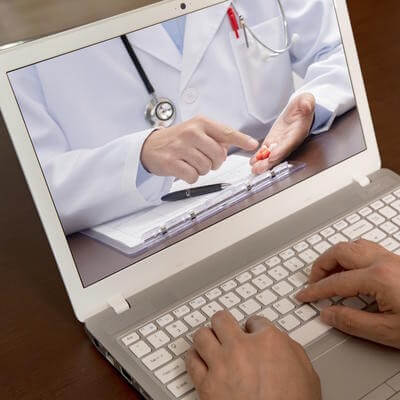
Before the Covid-19 pandemic, in-person medical consultations were widely regarded as the preferred and often expected method of care. While telemedicine existed, it was largely perceived as a supplementary, convenience-based option rather than a core component of healthcare delivery. In 2020, when the global pandemic hit, patients and providers had to adopt new ways of accessing and delivering care, and telemedicine became an essential tool.
Dr Lori Stetz, Global Health Benefits Chief Medical Officer at Cigna, explained that before the pandemic, although telemedicine was valued for its convenience, most patients still preferred in-person consultations. She noted that insurers were concerned about the cost-effectiveness of telemedicine, as many believed patients would seek an in-person visit after a virtual consultation, increasing overall costs.
However, the evolution of telemedicine usage during the pandemic marked a significant shift in how virtual care was perceived, utilised, and integrated into long-term health and travel coverage strategies. Drawing on data from Cigna Healthcare, Dr Stetz highlighted that, by 2023, “four in 10 individuals had consulted a doctor over the phone or virtually within the last two years, and more than 40% considered telehealth on par with an in-person consultation”.
Gitte Bach, CEO of New Frontier Group, described the pandemic as “the real turning point trajectory for telemedicine”. She called it a “lifeline” during the crisis and now views it as a strategic entry point into care, particularly for travellers, expatriates, international private medical insurance (IPMI) clients, and maritime workers.
Selvavinayagam Vireswer, CEO of Doctorcall, agreed, observing that “telemedicine moved from useful to essential” during the pandemic, and that the shift had proven durable. According to Doctorcall’s data, video appointments surged by 260% in the first year of the Covid-19 pandemic, compared with the previous year, and a few years later, had grown by around 1,300% relative to the pre-pandemic baseline. Vireswer added that a “durable hybrid” had now emerged, with in-person care crucial for face-to-face examinations, tests, and building trust, while remote consultations offer significant advantages in terms of speed, accessibility, and continuity of care.


Travel and cross-border care
Telemedicine has transformed healthcare access for travellers, enabling them to connect with doctors anywhere in the world via mobile devices. Dr Stetz emphasised its advantages for mobile populations, such as expatriates and frequent business travellers, noting that it allowed timely care and the ability to consult in a patient’s native language.
Bach described cross-border telemedicine as a key strategic focus area for New Frontier Group, underscoring its potential to transform outcomes. “Multilingual clinical teams, e-prescribing within regulatory boundaries, and clear clinical pathways have definitely matured,” she said. These advancements, she explained, enable faster decisions, safer handoffs, and fewer surprises for international payers and members. “By having more telemedicine options enter the market around the globe, it is easier to structure a program that fits with a traveller and expat program,” she added.
Vireswer noted that video consultations in travel and cross-border contexts now accounted for a growing share of Doctorcall’s revenue, with travel-related activity rising from about 17% pre-Covid to roughly 25–26% today. He explained how at Doctorcall, a UK provider, “patients reach a UK GP quickly, prescriptions are issued electronically and collected across UK pharmacy networks. Language is handled through bilingual GPs and an on-demand interpreter service, and travellers can contact the service over WhatsApp when they have data but no voice minutes.”
When in-person care is required, he added, cases transition to home visits, with video fees rebated. He concluded that successful cross-border care depends on speed, the reach of e-prescriptions, language access, and local escalation.

Regulatory and reimbursement challenges
Bach identified three main friction points in telemedicine regulation: varying cross-border licensure requirements, evolving payment parity, and stringent privacy and data protection frameworks such as the Health Insurance Portability and Accountability Act (HIPAA) and General Data Protection Regulation (GDPR).
On cross-border licensure, she noted that, while regulations had become clearer in recent years, they still varied significantly by state and country. “We’ve built our model to respect local licensure, use physician compacts where available, and escalate to in-person networks when a virtual encounter can’t legally continue,” she explained.
Payment parity laws also vary greatly depending on the region. Some countries introduced full parity during the Covid-19 pandemic to encourage telehealth adoption, but many have since rolled back or revised these measures. Bach observed: “Some markets are stepping away from full parity for virtual visits where there used to be requirements to reimburse providers the same amount for a service, regardless of whether it’s delivered in-person or via telemedicine. That’s pushing providers to prove value with outcomes and appropriate coding.”
Building on this, Dr Stetz noted that the pandemic helped ease certain regulatory and reimbursement barriers in many regions. “In the US and several other countries, virtual visits were recognised and reimbursed, expanding access beyond urgent care to include brick-and-mortar specialists and primary care providers.” Yet, some obstacles remain. “In many regions, telemedicine must still be provided within national borders, and there remain limitations on prescribing medications through virtual consultations. These boundaries continue to shape how telemedicine is implemented and scaled globally.”
Bach summarised that long-term success relies on models that respect local licensure laws, demonstrate measurable value, and maintain strict compliance with global data protection standards.

Integrating telemedicine into everyday clinical care and case management
Bach explained that New Frontier Group’s strategy had shifted telemedicine from an ad-hoc service to an integral part of cost management and clinical care. “Telehealth isn’t just a standalone application used to deliver medical services,” she said. “It is now being used at the forefront of medical care in triage, case management, and care navigation, and on through to follow-up care for hospitalisation and outpatient procedure aftercare.”
Bach highlighted key areas of success as care navigation, triage, case management, second surgical opinions, behavioural health, post-surgical recovery support, and oral/dental care. She summarised that telemedicine was “a foundational pillar of care” when fully integrated, helping avoid unnecessary emergency visits, improve adherence, and close clinical gaps.
At Doctorcall, Dr Charles Levinson, Founder and Medical Director, explained that telemedicine was primarily used for rapid access, triage, and a large volume of follow-up consultations, while in-person care remained essential for examinations and procedures. “In everyday practice, telemedicine sits inside the clinical workflow rather than beside it,” he said. “Telemedicine does the fast front-end work and provides continuity between steps, while in-person care remains the definitive setting when a physical examination or procedure is needed.”
Dr Stetz agreed that telemedicine was “a powerful tool”; however, she acknowledged its limitations, noting that it was not suitable for all medical issues, and that some patients struggled to know when it should or should not be used. “To ensure patient safety and appropriate care, telemedicine providers must maintain clear, upfront triage protocols that help direct true emergencies and conditions requiring in-person care to the appropriate care setting,” she explained. “For case managers, who often play a critical role in guiding customers to the appropriate level of care, understanding those protocols and proactively educating patients is an important part of the process.”
Beyond clinical care, telemedicine also streamlines claims handling. By generating digital medical records, detailed consultation notes, and time-stamped documentation, virtual care enables claims teams to verify treatment details quickly and accurately. This can help accelerate approvals, reduce administrative delays, and increase transparency, supporting better cost control while delivering a smoother, more consistent experience for customers.

AI-driven diagnostics, virtual second opinions, and remote monitoring
As telemedicine continues to advance, artificial intelligence (AI), virtual consultations, and remote monitoring are playing an increasingly important role in enhancing care delivery.
Dr Stetz noted that human-led AI was becoming more integrated into healthcare, particularly in urgent virtual care. “Symptom checkers have evolved into programs capable of accurately triaging patients and, in some cases, delivering low-level care with human oversight,” she said.
Bach emphasised that AI diagnostics should act as a support tool, enhancing documentation and clinical decision-making, but should not replace clinicians in the diagnostics process or approval of treatment. She added that while AI could help standardise appropriateness decisions, human intelligence remained essential to ensure treatments were clinically appropriate.
Dr Stetz highlighted the evolution of virtual second opinions, now often delivered via live virtual consultations. “This service is critically important for international patients, including expats, seeking care from trusted, renowned providers without the need for travel,” she said.
Bach agreed, adding that virtual second opinions were especially beneficial in specialties such as oncology, orthopaedics, and cardiology. “The goal is to confirm the treatment plan, prevent unnecessary interventions, and give payers the clinical confidence in any recommended procedure before high-cost care proceeds,” she stated.
When it comes to remote patient monitoring (RPM), the potential is immense, with clinicians able to track patients’ health in real time and collect detailed data on their conditions. Diagnostic tools such as smartphone-connected kits and digital blood pressure monitors now provide clinicians with accurate, real-time information, explained Dr Stetz. “This expansion of data sources has increased the potential to safely support patients in their homes for longer periods, greatly enhancing convenience,” she said.
Continuous monitoring of vital signs also strengthens chronic disease management. Bach noted that RPM could be very useful in managing chronic condition flare-ups while travelling, as well as monitoring medication side effects, and supporting patients through post-operative recovery.
Leveraging telemedicine in 2026 and beyond
With the rapid expansion of telemedicine over the past five years, the experts reflected on how the industry could best harness its potential in the years ahead. Bach said telemedicine should not be considered a “nice-to-have” but rather “a necessary, strategic lever in modern global cost management”. She predicted its continued growth amid rising medical inflation, widening care disparities, and increasing administrative pressures.
However, she added, “I believe success hinges on how thoughtfully it is deployed,” noting that a one-size-fits-all approach didn’t work for every insurer, hospital, or assistance provider. “It is important to customise telemedicine strategies based on individualised needs. Global populations need to look at global strategies that include the nuance of geography, language, culture, multi-country regulations, and payer requirements.”
She summarised that telehealth wasn’t just a tech solution, but a “transformation strategy” that, if deployed with intention, delivered better care, faster access, and lower costs.
Vireswer emphasised that effective telemedicine also required strong clinical governance, transparent performance reporting, and seamless integration with in-person care. Escalation from video to home visits should occur within the same system, electronic prescribing should be standard, and hybrid models provide the best outcomes – delivering speed, access, continuity, and safety, supported by robust regulation and performance data.
Dr Stetz highlighted the role of telemedicine in extending resources and improving access for both local populations and expatriates. However, she cautioned that payers, health systems, and physicians must ensure that convenience and cost-efficiency never compromise patient safety or clinical quality. “Establishing clear guard rails around emerging technologies is essential to ensure that these advances lead to better, high-value patient-centred care,” she stated.
She also stressed the importance of patient education, noting that clear guidance helped individuals navigate information and understand where to seek care. “Striking the right balance between convenience, compliance, and quality is the challenge we all face,” Dr Stetz concluded. “By maintaining a patient-centric approach, the medical community will successfully navigate this ongoing evolution.”
Looking ahead through 2026 and beyond, the experts agreed that telemedicine’s success will hinge on balancing innovation with strong governance, creating hybrid, AI-supported care models that deliver real value for patients, payers, and providers.

February 2026
Issue
The first edition of International Hospitals & Healthcare for 2026 includes deep dives into healthcare provision and quality in Dubai’s Healthcare City, the need for careful medical case management in MEA markets, access to high-quality healthcare in South America, and so much more!











February 2025
Issue
Offering readers a deep dive into the issues facing providers and payers of healthcare services around the world. Cost containment, international patient department development, the role of AI in healthcare delivery and more.