South Korea to expand telemedicine services for foreign patients

The East Asian country is a major hub for medical tourism, welcoming two million patients a year, and the change is expected to improve support for them
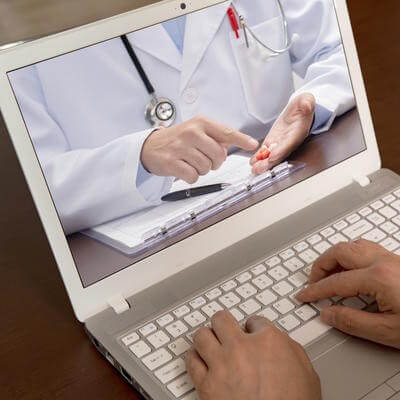
The government of South Korea has announced that it will expand the use of telemedicine to support foreign patients.
The change – an amendment to the country’s Act on Support for Overseas Expansion of Healthcare Systems and the Attraction of International Patients – is expected to be accompanied by a number of other changes designed to strengthen regulatory oversight and support systems.
The revised legal framework for the use of telemedicine for international patients will take effect next year, and will expand potential use cases to hospital-level services, include continuous monitoring, counselling and education, diagnosis, and prescription services.
At present, telemedicine is limited to follow-up visits and use by clinical-level institutions for both Korean and international patients.
The move is intended to accelerate the country’s strengthening position as a provider of healthcare services to international patients.
A key justification for the change is the need for pre-arrival consultations and post-treatment follow-up care among international patients – many of whom only stay in South Korea for a short time. It is hoped that the new framework will improve support for the two million patients who visit the country annually.
Chloe Fox spoke to industry experts about South Korea’s rise as a medical tourism hub in the May issue of International Hospitals & Healthcare.








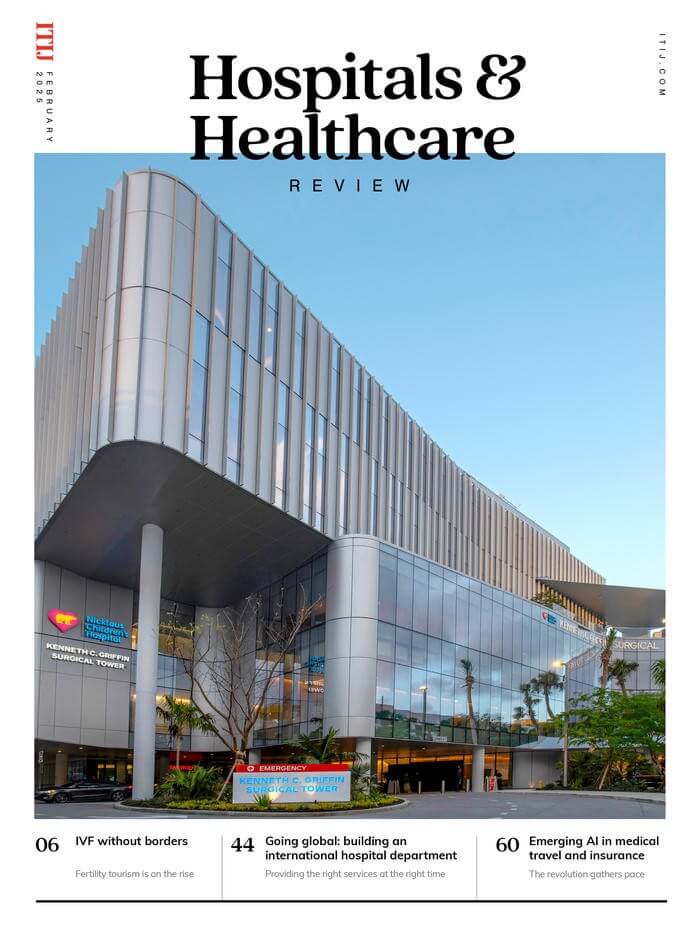
February 2025
Issue
Offering readers a deep dive into the issues facing providers and payers of healthcare services around the world. Cost containment, international patient department development, the role of AI in healthcare delivery and more.