
Australian healthcare liability market defies wider softening trend

Loss-free hospitals face excess-layer increases of up to 40% as claims severity, tighter underwriting, and selective capacity reshape Australia’s healthcare liability renewals
Australian healthcare professional liability (HPL) buyers face significant renewal increases despite broader commercial insurance market softening, with excess-layer premiums rising by as much as 40% for loss-free hospitals and healthcare groups, according to Lockton.
The broker’s 1 November update on Australia’s HPL insurance market indicates increases of 7.5–40% on excess layers and 5–20% on primary cover for loss-free buyers. Insureds with losses could face increases of 20–40% or more on excess layers, reflecting mounting claims severity and insurer caution.
The divergence highlights how healthcare liability is increasingly moving independently of wider market cycles, placing greater emphasis on risk quality, underwriting evidence, and programme structure.
“Underwriters increasingly want evidence that risk controls are not only in place, but are working in practice,” Lockton said, highlighting clinical governance, claims management, and demonstrable improvements in patient safety as important renewal considerations.
Capacity is emerging, with AXA XL, HDI Global, and Arch Insurance adding excess-layer support. However, this has not offset reductions by established insurers, which are becoming more selective and seeking higher attachment points.
Insurers are also scrutinising policy exclusions, particularly around sexual abuse, cyber, technology, and pandemic exposures, while increasingly considering AI-related liability in policy wording.
Claims inflation remains a central pressure. Longer settlement periods, rising medical and legal costs, and greater severity in obstetric and paediatric claims are pushing losses higher.
Lockton also highlighted the potential implications of Stewart v Metro North Hospital and Health Service [2025] HCA 34, in which the High Court of Australia upheld approximately A$4.75 million (US$3.15 million) for the plaintiff’s future home care costs.
“The Stewart decision may increase the potential cost of catastrophic injury claims involving future care,” Lockton said, reinforcing the importance of early claims assessment and realistic reserving.
Related: The future of international health insurance for a mobile workforce.
Chloe Fox
Chloe Fox is a Junior Editor at Voyageur Group, having joined in 2024. She writes for ITIJ and AirMed&Rescue, covering a range of topics including international travel and health insurance, medical assistance provision, and air medical transportation. Chloe holds a BA (Hons) in English and an MA in English Literature from the University of Bristol.









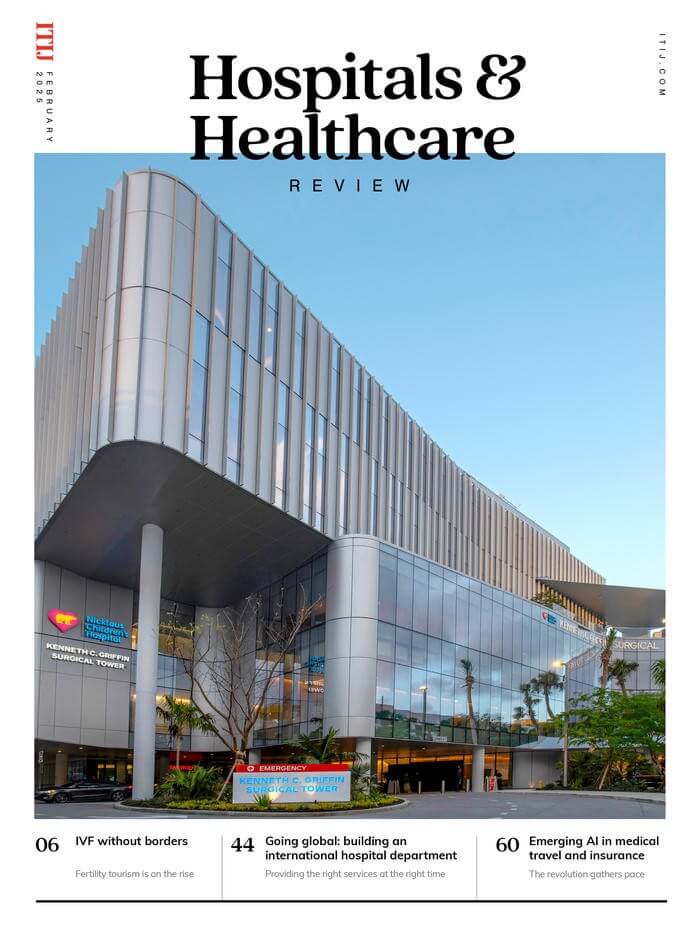
February 2025
Issue
Offering readers a deep dive into the issues facing providers and payers of healthcare services around the world. Cost containment, international patient department development, the role of AI in healthcare delivery and more.