The increasing prominence of wellbeing in EAP

UK employers are prioritising mental wellbeing employee benefits services as their staff face increasing mental health problems
A report published by Willis Towers Watson (WTW) in late April highlights how the provision in employee benefits has shifted towards mental wellbeing following the global pandemic. Eighty-seven per cent of employers now say they are ‘concerned’ about an increase in mental health problems among staff, which has led three-quarters of companies to prioritise improvements to their employee benefits provision in this area over the short and medium-term.
“Last year many employers shifted very quickly to a new remote way of working. They worked hard to reduce the challenges this posed to employees using existing structures, programmes and benefits. A year later though, many are concerned that the mental health implications of this prolonged period of social distancing needs addressing further,” said Mark Ramsook, Senior Director, Health and Benefits, WTW. “Employers are needing to provide new and enhanced employee benefits, and are introducing initiatives such as peer-orientated support networks and access to trained mental health champions.”
Remote, digital health assistance services in demand
WTW’s report also found that 46 per cent of employers said they will need to expand their own healthcare coverage – nearly three-quarters (72 per cent) of employers re expecting delays to NHS waiting lists to continue.
Further to that, 89 per cent of companies surveyed said that they expect a growth in telehealth services for supporting their employees. And among the digital/remote services that employers had already put in place were mental health services (68 per cent); consultations with GPs (68 per cent); and physiotherapy/musculoskeletal support (45 per cent).
Lastly, WTW identified that organisations are planning to offer more menopause-support benefits, while 38 per cent said they would offer specific male/female gender screening, and 43 per cent said they would offer remote or online health screenings and assessments.
With the past 12 months that we’ve all had to endure, it’s great to see employers making plans to upscale their employee benefits offerings, placing the health and wellbeing of their staff at the centre of their operations. Employee assistance programme (EAP) providers should take heed of this data uncovered by WTW and adapt their offerings accordingly – better still if these offerings can be tailored to meet the various needs of different generations in the workforce.
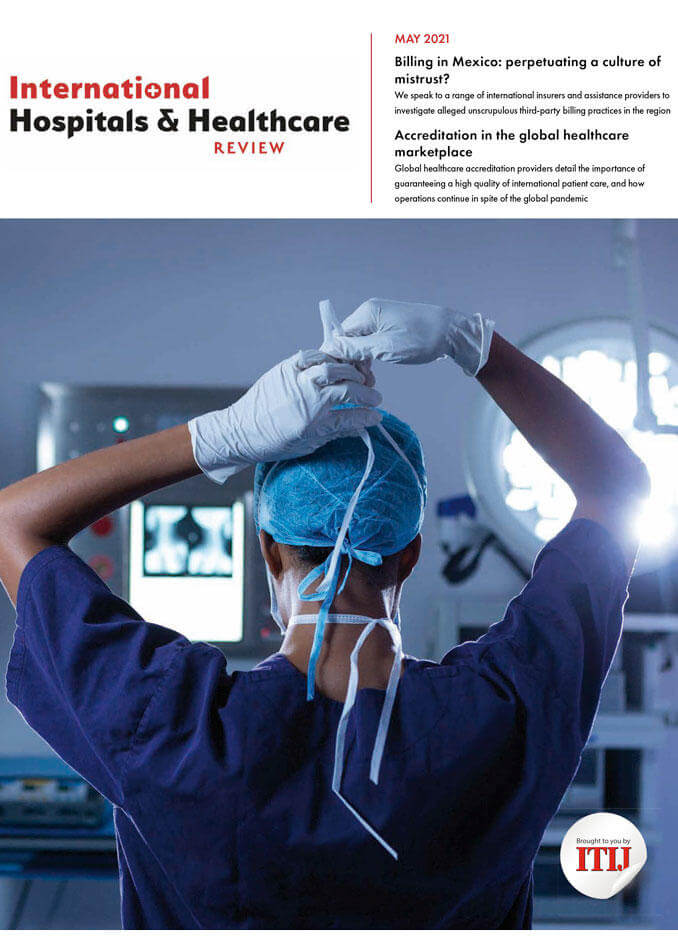
May 2021
Issue
This issue, we bring you a feature investigating third-party billing agencies in Mexico; an overview of the hospital accreditation process, with comments from the likes of JCI, GHA and Temos; and we have two Industry Voices – one from Aetna International’s Global Medical Director discussing corporate health and wellness trends for globally mobile employees, and another from International Citizens Insurance's President, who explains how the role of the IPMI broker has changed throughout the global pandemic.
Robyn Bainbridge
Robyn Bainbridge edits the International Hospitals & Healthcare Review and is a writer and copy-editor for both ITIJ and AirMed&Rescue. Six years a freelance writer, she enjoys injecting a fresh take on a tired topic and is a keen advocate of sustainable tourism. She also has over 15 species of plants in her living room.











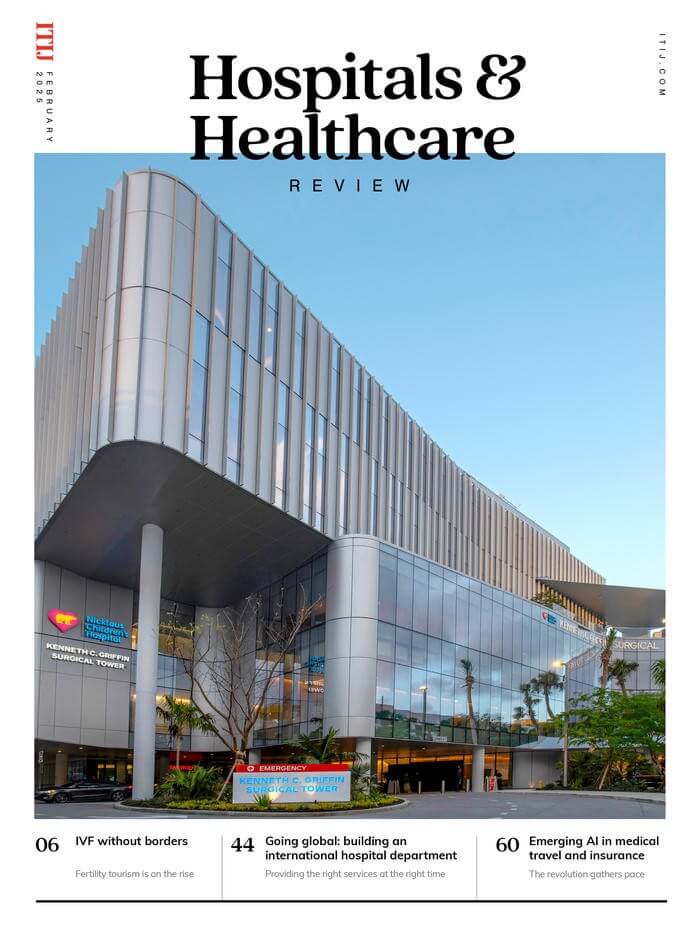
February 2025
Issue
Offering readers a deep dive into the issues facing providers and payers of healthcare services around the world. Cost containment, international patient department development, the role of AI in healthcare delivery and more.