
Supporting business travellers and international assignees in a crisis

Sebastien Bedu, General Manager, Middle East, at International SOS, explains what it takes to ensure that employees working overseas are safe when an emergency situation occurs
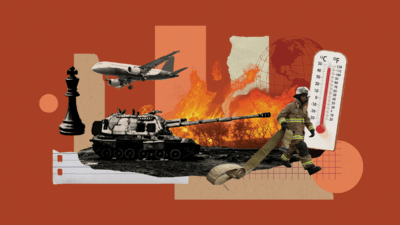
In an increasingly volatile world, the responsibility of organisations towards their employees extends far beyond mere legal compliance. For companies with a globally mobile workforce, ensuring the safety and wellbeing of employees – whether they are business travellers, international assignees, or key personnel stationed in high-risk regions – is not merely an ethical obligation; it is a fundamental business imperative.
When crises unfold, employees on assignment or travelling for work face immediate and unpredictable challenges. Security threats, logistical disruptions, and communication breakdowns can leave them vulnerable, particularly in regions experiencing geopolitical instability. Their families often bear the emotional strain of knowing their loved ones are operating in uncertain environments. While organisations may not have direct responsibility for employees’ families, providing transparency, clear communication, and structured support can significantly alleviate concerns.

Beyond compliance: a proactive approach to duty of care
Corporate leaders must recognise that duty of care is more than a policy; it is an active commitment to equipping employees with the tools and knowledge necessary to navigate risks effectively. This entails providing real-time intelligence, pre-travel risk assessments, and ensuring that crisis response mechanisms are well defined and accessible. According to International SOS’s Risk Outlook 2025 report, 80% of organisations believe that their employees’ safetyis paramount when operating in high-risk areas.
Companies that adopt a proactive approach to risk mitigation ensure that their employees – regardless of assignment length – are prepared and supported
International assignees require ongoing support that extends beyond short-term travel advisories. Unlike business travellers, who may be in high-risk zones for days or weeks, expatriates must integrate into local environments while facing evolving security challenges. Companies that adopt a proactive approach to risk mitigation ensure that their employees – regardless of assignment length – are prepared and supported.
At the same time, it is vital to set clear expectations. While organisations must provide a structured framework for security and crisis management, employees also have a role to play in understanding risks and engaging with available resources. Duty of care should empower employees to make informed decisions in challenging environments.
Bridging intelligence and action
One critical aspect of duty of care is ensuring that security intelligence translates into actionable insights. Providing static security reports is insufficient; situational awareness must be dynamic and responsive.
Real-time threat monitoring, emergency support channels, and well-communicated escalation procedures allow business travellers and international assignees to respond effectively to changing conditions.
For those stationed in high-risk areas, immediate access to assistance – whether security-related, medical, or logistical – can make all the difference. Furthermore, ensuring that families are kept informed through secure communication can reduce anxiety and enable them to provide the appropriate support from home.

Building a culture of preparedness
The most resilient organisations do not view security as a checklist item but as an embedded part of their corporate culture. Leadership plays a critical role in reinforcing a proactive security mindset, ensuring that employees feel supported throughout their assignments. According to International SOS’s findings, companies with robust duty of care programmes report higher employee satisfaction and retention rates.
Creating an environment of preparedness means fostering open communication channels so employees know where to turn for assistance. Continuous refinement of crisis management protocols based on real-world experiences is essential. Transparency is also key: employees should have clear expectations regarding the available support and where the organisation’s responsibility ends.
Real-time threat monitoring, emergency support channels, and well-communicated escalation procedures allow international assignees to respond effectively to changing conditions
Critical event management (CEM) is a vital component of this proactive approach. By implementing CEM solutions, organisations can enhance their ability to respond swiftly to crises as they unfold. This strategic focus on CEM allows companies to better protect their workforce while ensuring continuity during critical incidents.
In addition to addressing security concerns, organisations must also focus on the overall wellbeing of their employees. This includes mental health support services that help individuals cope with the stressors associated with working in high-risk environments. International SOS provides comprehensive employee assistance programmes (EAPs) that offer confidential counselling services tailored to meet the needs of employees and their families during challenging times.
Moreover, training programmes designed to raise awareness about personal safety and resilience can empower employees to handle crises more effectively. Such initiatives enhance individual preparedness while demonstrating a commitment to employee welfare.
The most resilient organisations do not view security as a checklist item but as an embedded part of their corporate culture
By integrating security into operational strategy alongside CEM solutions and fostering a culture of preparedness focused on employee wellbeing and training initiatives, companies can strike a balance between corporate responsibility and individual empowerment, ensuring employees feel safe, informed, and ready to navigate an unpredictable world.
Organisations must take decisive action now by implementing comprehensive duty of care programmes tailored for business travellers and international assignees. By doing so, they will not only protect their workforce but also reinforce their commitment to ethical leadership in an increasingly complex global landscape.
April 2025
Issue
In this issue we focus on how AI is transforming claims management; how assistance firms navigate the unique challenges of working in Africa; and what the potential legal risks are when conducting a medical transfer.
Sebastien Bedu
Sebastien is the General Manager of the Middle East team, based at the International SOS office in Dubai. He joined International SOS as the Branch Manager of MedAire, the aviation and maritime division of International SOS, in 2015.
During this time, Sebastien was predominantly responsible for the growth and delivery of the Middle East and Africa’s book of business of the company. He also led the development and implementation of the first-in-the-world travel pass during the Covid-19 pandemic, in partnership with an Abu Dhabi-based airline. In 2021, Sebastien was promoted to General Manager, GCC, where he led the commercial and operations teams for the region. In 2023, his scope was extended to the whole Middle East with a specific focus on International SOS’s Health & Security and Travel Risk Management solutions.