
Methanol poisoning risk reality

Following reports late last year of six tourist fatalities resulting from tainted alcohol, ITIJ considers the risks posed to travellers by methanol in spirits
On the popular tourist trail in Southeast Asia, the risk of methanol in tainted alcohol, often served free to visitors to get them into bars, is a well-recognised problem. A recent spate of deaths and severe illnesses among Western tourists in Vang Vieng, Laos, grabbed headlines in the global media in November last year.
Traveller data
Data from CEIC showed that Laos visitor arrivals reached 3,417,629 for the year ending December 2023, compared with 1,294,365 in the previous year. Whether or not there will be a drop as a result of the negative publicity surrounding the deaths of the young tourists remains to be seen. However, as noted, methanol in local spirits sold in popular Southeast Asian destinations is not a new phenomenon – in fact, there is even a Facebook page called Just Don’t Drink Spirits in Bali that has more than 16,000 followers.
Methanol as a substance is not toxic in itself, but when ingested, it is converted into highly toxic formic acid, which may result in multiple organ failure, blindness, brain damage, and even death
What is methanol poisoning and how much of a problem is it?
Methanol is a colourless organic alcohol with mild alcoholic odour, commonly used as a solvent, fuel or antifreeze in the chemical industry. Methanol as a substance is not toxic in itself, but when ingested, it is converted into highly toxic formic acid, which may result in multiple organ failure, blindness, brain damage, and even death.
Asia has the highest prevalence of methanol poisoning globally, with incidents in Indonesia, India, Cambodia, Vietnam and the Philippines, according to data from Médecins Sans Frontières. Fomepizole is one of the effective antidotes for methanol poisoning; however, it is not available in most of the affected countries.
Governments warn travellers of the risks of bootleg alcohol on their travel advice websites, and, since the incident in November 2024 in which six people died and others were hospitalised, moves have been made to protect visitors to Laos.
Asia has the highest prevalence of methanol poisoning globally, with incidents in Indonesia, India, Cambodia, Vietnam and the Philippines
Laos authorities issued an order prohibiting the sale and consumption of Tiger Vodka and Tiger Whisky due to concerns about their being a risk to health. The UK’s Foreign, Commonwealth & Development Office urged travellers to take measures to protect themselves from methanol poisoning:
- Buy alcoholic beverages only from licensed liquor stores
- Buy drinks only at licensed bars and hotels
- Avoid homemade alcoholic drinks
- Check bottle seals are intact
- Check labels for poor print quality or incorrect spelling.
Canada’s government stated that “tourists should exercise a high degree of caution in Laos due to ongoing security concerns related to banditry, crime, spiked food and drinks, and unexploded munitions”. It further warned: “Some food and drinks, such as ‘happy pizzas’ and ‘special shakes’, may contain unspecified amounts of opium and other unknown substances. These items are sold in areas frequented by tourists, particularly in Vang Vieng. While these items may be easily accessible, taking any amount of opiates can be dangerous. Foreigners, including Canadians, have died as a result of drug overdoses.”

Travel safety recommendations
ITIJ spoke to Kate Fitzpatrick, Security Director, EMEA, World Travel Protection, about the need for travellers to be increasingly careful about their activities: “The tragic events in Laos highlight the critical need for vigilance when travelling, especially in regions like Southeast Asia, where we’ve seen a concerning rise in incidents. While many travellers are aware of obvious risks, such as riding motorbikes, the dangers posed by tampered alcohol can be far less apparent.”
The incident in November also increased awareness of risk among travellers, as is evidenced by customer contacts, explained Fitzpatrick: “Over the festive period, I’ve been shocked by the sharp increase in assistance calls we’ve received related to this issue, making it more urgent than ever to raise awareness and encourage caution.”
She continued: “Travellers have long been advised to check water bottle seals to ensure they haven’t been refilled, but monitoring the safety of alcohol bottles is much harder. At World Travel Protection, we stress the importance of preparation and education. Understanding local risks – whether related to customs, legal issues, or personal safety – can make all the difference. Always be aware of your surroundings and remain vigilant.”
Engaging with a younger, carefree traveller customer base is essential if the travel insurance industry’s efforts to improve safety is going to make an impact. Partnerships with local organisations and governments can be part of a global effort to heighten awareness of potential risks.
Healthcare networks are patchy
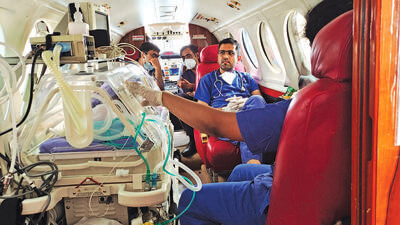
Should a traveller become ill, regardless of the cause, their ability to receive the necessary medical attention could be hampered by the country or region in which they find themselves.
A report by the US Agency for International Development (USAID) states: “The quality and coverage of health services nationwide remains low. Key challenges are limited access to health facilities in rural and remote areas, under-resourced and insufficient skilled health professionals, and underfunding of the health sector in order to achieve universal health coverage.”
The Australian Department of Foreign Affairs and Trade (DFAT) notes: “The standard of medical facilities [in Laos] is generally poor. Medical evacuation to another country will be difficult.”
The six people who died from methanol poisoning after drinking at a bar in Vang Vieng in November were a British traveller, two Australians, two Danish citizens and an American. Some were evacuated to Thailand, but the effects of the poisoning were both severe and swift, and sadly, despite being transferred to a well-equipped hospital, their lives were lost.
As readers of ITIJ know only too well, patchy provision of quality healthcare means going private is the best option for travellers in Southeast Asia. And even then, with methanol poisoning, time is of the essence. Swift action and transfer to a medical facility with the appropriate treatment is essential. Medical assistance providers should be training their personnel to recognise potential symptoms in travellers reporting illness in these regions, and be prepared to organise medical transportation to the nearest hospital or clinic.
February 2025
Issue
In the February issue of ITIJ we examine current geopolitical risks and their impact on travel; look at ground ambulance provision and how it is meeting customer needs; and explore the use of technology in the patient journey – looking at the efficiency of services.
Editorial Team
The Editorial Team updates the ITIJ website daily, and works on features for the print edition. With expert industry knowledge and years of experience in writing about complex travel insurance issues, the Editorial Team is ready to investigate and report on the topics that matter most to ITIJ's readers.