
New medical centre for Austin, Texas

Construction of the new University of Texas medical centre is due to begin later this year, ahead of opening in 2030
The University of Texas at Austin (UT Austin) has announced plans to establish a new medical centre, due to open in 2030.
It will be located on the UT Dell Campus for Advanced Research, in Austin, Texas, and will offer a range of services, across prevention, diagnosis, and treatment.
The UT Dell Medical Center will be “AI-native”, which the university says will allow it to offer more precise care, cancer treatment, and better outcomes using the technology.
The new centre will also be integrated with UT’s MD Anderson Cancer Center to provide better access to cancer care.
Work to construct the new medical centre is due to begin later this year.
Dr Claudia Lucchinetti, Senior Vice President for Medical Affairs and Dean of Dell Medical School, stated: “At UT Dell Medical Center, we are building an integrated, patient-centred model powered by AI and advanced technology that shifts the focus from treating sickness to advancing health itself through prevention, prediction, and precision. This will transform how we care for patients, how we train the next generation of physicians, and how we accelerate life science innovation to improve lives at scale.”
Indian private hospital operator Max Healthcare recently announced plans to expand its capacity to meet both domestic and international demand for its services.









February 2025
Issue
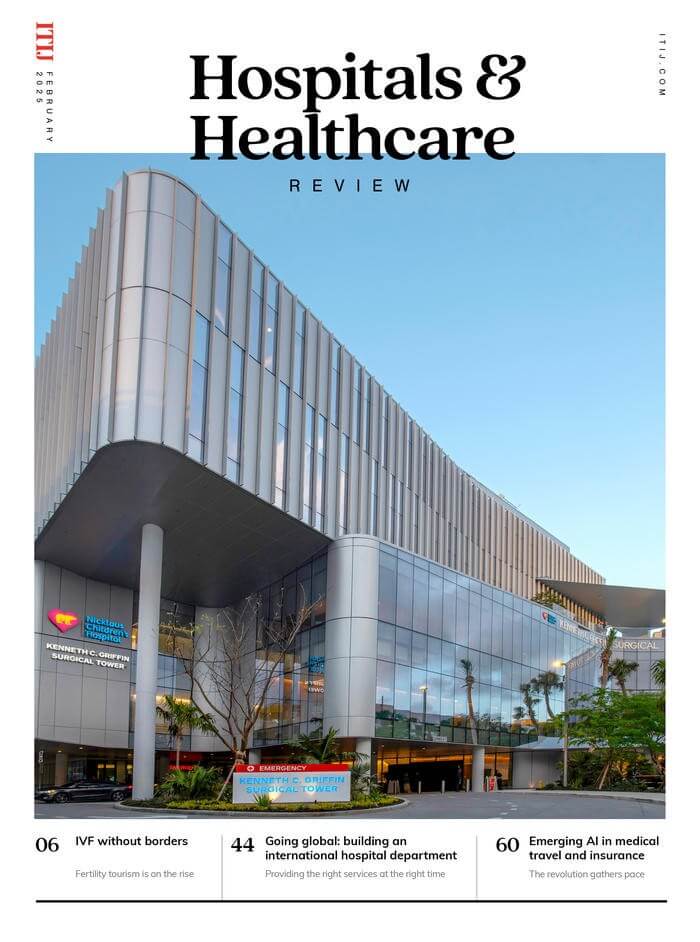
Offering readers a deep dive into the issues facing providers and payers of healthcare services around the world. Cost containment, international patient department development, the role of AI in healthcare delivery and more.