
Global leaders call for urgent action on women’s health bias

Systemic underfunding and research gaps in women’s health are limiting clinical effectiveness and economic growth, highlighting the need for coordinated, multi-stakeholder solutions
Systemic bias in women’s health research and funding continues to hinder clinical progress and economic opportunity, with experts urging coordinated action across sectors to close persistent gaps. According to the World Economic Forum’s International Women’s Day 2026 analysis, women’s health represents an estimated US$1 trillion opportunity, yet it captures only 6% of private healthcare investment despite women and girls accounting for nearly half the global population.
The Forum notes that only around 5% of clinical trials report sex‑disaggregated results, impairing understanding of safety, effectiveness, and biological differences in treatment outcomes. Bias in research carries downstream consequences: care pathways often default to a “reference man”, which can contribute to delayed diagnosis, inappropriate dosing, and poorer outcomes for women across conditions, from cardiovascular disease to autoimmune disorders.
Emerging data platforms such as the Women’s Health Impact Tracker aim to enhance transparency and accountability by standardising measurements and highlighting where gaps persist. Evidence from the World Economic Forum and the McKinsey Health Institute also underscores that women spend about 25% more of their lives in poor health than men do, a disparity with significant health and economic implications.
Healthcare leaders argue that bridging these gaps demands multi-stakeholder engagement: research institutions must revisit incentive structures; industry and investors should align innovation with real‑world needs; governments must embed women’s health into policy strategies; and health systems need representative evidence and equitable delivery frameworks. All agree that treating women’s health as foundational economic infrastructure – not a niche category – is essential for resilient health systems and long‑term global growth.
The global healthcare workforce management systems market is set to hit $6.26bn by 2035.
Editorial Team
The Editorial Team updates the ITIJ website daily, and works on features for the print edition. With expert industry knowledge and years of experience in writing about complex travel insurance issues, the Editorial Team is ready to investigate and report on the topics that matter most to ITIJ's readers.










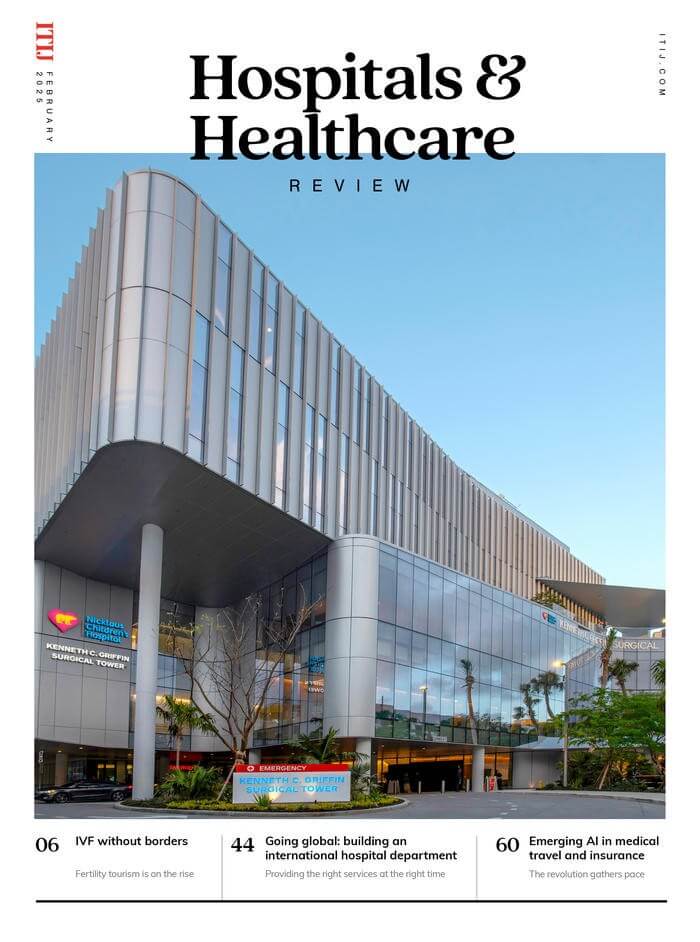
February 2025
Issue
Offering readers a deep dive into the issues facing providers and payers of healthcare services around the world. Cost containment, international patient department development, the role of AI in healthcare delivery and more.