
Insuring the Himalayan climbing season

Jonathan Frankham, General Manager, UK and Europe, at World Nomads, runs through what climbers and insurers should consider ahead of this year’s Everest climbing season
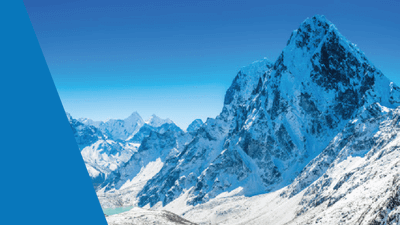
Mount Everest remains the ultimate test of adventure, attracting record numbers despite the evident risks. The fatalities last season and the evolving regulatory landscape in Nepal make it imperative for insurers to thoroughly understand and address the complexities involved.
High-altitude climbing, such as expeditions to Everest Base Camp, requires awareness of the unique landscape, changing laws, and meticulous risk evaluation – ranging from severe altitude sickness to unpredictable weather
and rescue operations.
Last year was one of the busiest and deadliest Everest climbing seasons on record, with 478 issued permits and 17 fatalities. Everest insurance came under the spotlight in 2023 when Malaysian trekker Ravichandran Tharumalingam was rescued in Mount Everest’s infamous ‘death zone’ and thanked his travel insurer in a viral post.
Despite well-documented dangers, 2024 is set to be another popular year for climbing Everest, as the north face route from Tibet opens for the first time since 2019 for guided, oxygen-supported climbers. Insurers and climbers alike must be aware of the insurance nuances and changes when undertaking this feat.
Despite well-documented dangers, 2024 is set to be another popular year for climbing Everest
The needs of climbers – and the policies that cover them
High-altitude climbers face unique and complex challenges that standard insurance policies often fail to address comprehensively. These treks, such as those to the Everest Base Camp, require coverage for emergency medical evacuations and high-altitude sickness, which is critical for ensuring the safety and wellbeing of climbers.
One of the primary challenges is the complex risk assessment required for high-altitude climbing. This includes understanding the physiological
effects of altitude, rapid weather changes, and the technical difficulties
of rescue operations. The physical exertion combined with lower oxygen levels can lead to severe fatigue and altitude sickness, impairing judgment
and increasing the risk of accidents.
Furthermore, regulatory compliance plays a significant role in shaping insurance coverage for high-altitude treks. New regulations in Nepal, such as the requirement for climbers to be accompanied by a licensed guide, impact how policies must be structured and what can be covered. Insurers must
stay updated on these changes to ensure that their policies are compliant and provide adequate protection for climbers.
Regulatory compliance plays a significant role in shaping insurance coverage for high-altitude treks
Specialist insurance policies, like the World Nomads Level 4 Adventure Sports and Activities upgrade, address these needs by including higher altitude limits (up to 6,000 metres) and covering emergency medical evacuations, often by helicopter. These policies are designed to cover severe altitude sickness and accidental injuries common in high-altitude environments, providing the necessary support that standard policies typically lack.

The risk of fraud
Fraudulent claims, particularly those involving emergency evacuations, remain a significant concern in high-altitude trekking areas like Everest. Verifying claims in such remote locations is inherently challenging and requires robust mechanisms to ensure they are legitimate. This issue has been exacerbated by the rise in bogus helicopter rescues, which became prevalent in Nepal following the boom in mountain tourism after the end of the country’s long-running civil war in 2006.
The sustained growth in mountain tourism continues to make these fraudulent activities attractive to certain agents and helicopter charter companies. These scams often involve trekking companies exaggerating climbers’ symptoms to justify costly medical evacuations. Such fraud can result in commissions of up to 10–15% of the medevac flight costs, particularly targeting the tens of thousands of trekkers on itineraries below 15,000 feet.
Consumers should be vigilant and opt for insurance policies that include thorough medical evaluations. Companies, on their part, must implement stringent verification processes to combat fraud.
Our approach at World Nomads involves assessing the legitimacy of claims on a case-by-case basis, leveraging our extensive network of trusted local partners, who bring valuable insights and help in evaluating these cases. These partnerships are crucial for navigating the local complexities and ensuring that fraudulent claims are minimised, thereby managing costs effectively for our customers and maintaining the integrity of our insurance services.
Finding the right assistance partners
Assessing the risks involved with high-altitude climbing requires specialist knowledge about the physiological effects of altitude, potential for rapid weather changes, and the technical difficulties of rescue operations and navigating the terrain. The physical exertion required for high-altitude climbing, combined with lower oxygen levels, can lead climbers to suffer from severe fatigue and altitude sickness, impairing judgment and increasing the risk of accidents.
It is crucial that insurers partner with the right assistance companies to best suit policyholders, which are vital in providing immediate, effective medical help and managing logistical challenges in remote areas like Everest. These companies help bridge gaps in services, ensuring that climbers receive timely medical attention and support in navigating the challenges of local healthcare systems.
There are several situations where we might need a third-party assistance partner to lend us a hand. For example, language assistance has to be readily available, and we team up with local experts who can help bridge the communication gap. It is paramount that we ensure our team, the customer, and the local healthcare providers can understand each other clearly.
Medical expenses in remote or mountainous regions can be significantly higher due to limited access to healthcare facilities
Occasionally, getting medical reports or cost details can be difficult, whether due to logistical issues or uncooperative parties. In those cases, having a trusted third-party partner is essential.
They are adept at navigating these challenges and can help us obtain the necessary documents and transparent cost information. This way, our case managers, medical teams, and customers have all the information they need to make informed decisions and process claims smoothly.
Occasionally, getting medical reports or cost details can be difficult, whether due to logistical issues or uncooperative parties
Medical costs rising faster than premiums
Across the insurance industry, medical expenses are rising, and insurers are having to cover trip cancellations and disruptions more frequently. This is compounded by the cost of living crisis and inflation, which have driven premiums higher.
In the context of Himalayan trekking, medical expenses in remote or mountainous regions can be significantly higher due to limited access to healthcare facilities and the potential for injuries or altitude-related illnesses. This necessitates adjustments in premium structures to adequately cover increased service costs.
It is not uncommon for medical costs in Nepal to rise faster than insurance premiums due to factors such as increasing demand for specialist medical services, limited infrastructure, and the inherent risks associated with outdoor activities in such environments.
World Nomads distinguishes between its Standard and Explorer Plans and provides optional upgrades for more extreme sports and adventure activities to effectively manage pricing for policyholders while controlling premium rates. These adjustments ensure that the higher medical costs can be covered, providing vital financial protection for climbers.
Greater oversight by Nepalese authorities
As of 29 April 2024, Nepal has issued 390 climbing permits for Everest to 37 teams representing 60 countries. While this is down from the record 478 permits issued in 2023, the ongoing season suggests a strong interest in climbing Everest.
This year, particularly, with its rising popularity, it’s clear the Nepalese authorities are focusing on improving climber safety and environmental sustainability. Measures such as the ban on solo trekking and mandatory GPS trackers for better identification are steps towards ensuring climbers are better prepared. Permit costs are also likely to increase to $15,000 by 2025 to control climber numbers, and proposed bans on luxury en-suite tents aim to reduce the environmental impact at Everest Base Camp.
These regulations are intended to enhance safety and environmental protection, benefiting both trekkers and insurers. By focusing on better preparation for climbers rather than simply increasing permit numbers, Nepalese authorities aim to mitigate risks and ensure a safer trekking experience on Everest.
Furthermore, stringent waste management requirements and restrictions on the size of sleeping quarters at Base Camp are additional measures aimed at preserving the environment and maintaining the sustainability of Everest expeditions.
This comprehensive approach to managing the challenges of high-altitude trekking ensures that climbers are well protected and that the natural beauty and integrity of Everest are preserved for future generations.
October 2024
Issue
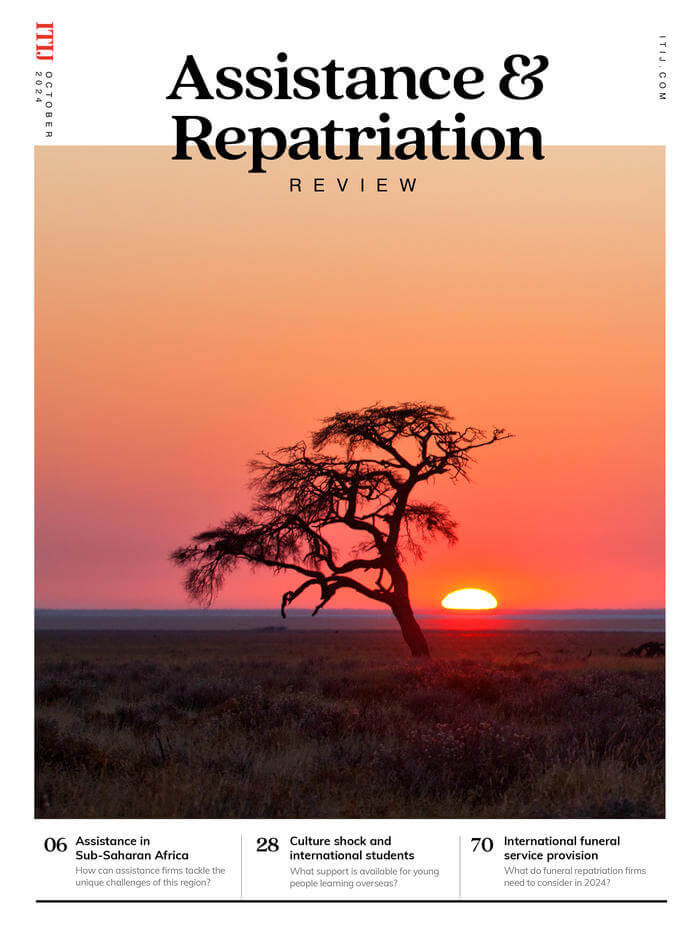
In this instalment of the Assistance & Repatriation Review, we look at the complex considerations involved in providing assistance in sub-Saharan Africa; we investigate how international students can suffer from poor mental health – and how to support them; and we explore the current state of the funeral repatriation sector.
Jonathan Frankham
Jonathan Frankham is an established senior executive with over 10 years’ experience in multinational organisations, including Big Four and FTSE 100 insurers. With a proven track record of delivering change and process improvement in challenging and fast-paced environments and leading cross-functional multi-location teams, Jonathan was a natural fit to take on the role of General Manager, UK and Europe, at nib Group in May 2022, having previously served as the group’s Divisional Financial Controller and Head of Internal Audit.