Industry Voice: Making the best use of PPOs

Gitte Bach, CEO of New Frontier Group, takes a close look at how international insurers can optimise use of their networks while navigating the US healthcare system
In the increasingly globalised world of healthcare, international insurance companies face unique challenges when providing coverage for members who live in or travel to the US. One of the most foundational tools at their disposal to support members is making the best use of preferred provider organisation (PPO) networks. So, how can international insurers optimise network use to provide comprehensive, cost-effective care for their members while navigating the complexities of the US healthcare ecosystem?
Understanding PPO network models in the US
PPO network models are a cornerstone of the US healthcare system. Some models have been around for several decades and others are emerging. All models include negotiated providers’ arrangements designed to fit unique needs, including:
- National networks with providers across the US to offer broad access to a geographically diverse population
- Regional networks with a focus on specific geographic regions to fine-tune access in a specific area
- Telehealth networks with a focus on care that can be delivered virtually
- Specialty networks with a focus on specific specialties (i.e. lab, radiology)
- Value-based care networks with a focus on high-cost conditions (i.e. high-cost musculoskeletal surgery). Pricing is based on an upfront price list
- A non-logo, open provider programme with focus on discounting claims based on extensive historical databases of pricing that providers have agreed to in the past from US government, workers’ compensation, employer, and network contracts.
Not all international insurers have the same needs, and New Frontier Group has supported diverse global companies with a variety of network models. The core of determining which network strategy is best for a specific population or plan revolves around what ensures the best access, quality and affordability for that specific programme. There is no one-size-fits-all strategy.
Effective strategies for best use of PPO models
To optimise success, insurers should conduct a comprehensive analysis of what each network offers, tailor the solution to their specific plans, and educate members on the networks.
To ensure a PPO strategy meets members where they are, we look at three key areas of focus:
- Geographic coverage: ensuring adequate coverage in areas where members are likely to live or travel is key. Looking into regional networks or custom-building access in specific areas can be a benefit over national access if members are heavily concentrated in one area. There are also many telehealth networks available if insurers want to focus on virtual care in specific areas.
- Specialty coverage: verifying that the network includes a wide range of specialties to address various medical needs is important when coverage is broad. Three of the costliest complex conditions (i.e. orthopaedic, cardiology, oncology) are important indicators of high-cost claims, so it is good to look at the number of specialists available in high-cost areas.
- Quality metrics: evaluating how a network manages the quality ratings of the providers and what standards they use to ensure they are mitigating fraud, waste and abuse helps ensure members are receiving the best care for their condition. It is also important to keep appeals low and ensure first-pass payments.
The core of determining which network strategy is best for a specific population or plan revolves around what ensures the best access, quality and affordability for that specific programme

Tailoring a solution
Once an analysis is complete, the next step is tailoring a solution that meets members where they are. For specific member demographics (business travellers, expats, international private medical insurance (IPMI) members, students), adopting multiple network models can optimise results for different plans. It is also important to tailor technology around the model to create user-friendly provider directories to easily access providers, and omnichannel communication to ensure care delivery, Rx (prescription) integration, and follow-up care is as easy as possible for the member. Once it is determined how networks should be accessed, it is a priority to integrate the PPO models into an efficient claims-processing workflow for timely, accurate payments to providers.
Once it is determined how networks should be accessed, it is a priority to integrate the PPO models into an efficient claims-processing workflow for timely, accurate payments to providers

Member education and support
Once the optimal network configuration has been tailored and implemented, the final step in optimisation is educating members about how to use PPO networks effectively.
There are various ways New Frontier Group has supported insurers in the important education process, including:
- Supplying content for members that gives clear and easy-to-understand guidance on how to access care, what to do in emergencies, and how to find network providers
- Offering 24/7 member support to help those navigating the network system
- Providing support staff to understand and address the unique concerns of global members who might be accessing US healthcare for the first time
- Implementing systems to collect and act on member feedback about their experiences with network providers.
Monitoring and expanding the impact of PPO network models
With PPO networks at the core of cost management, it is important to build more than just a ‘set it and forget it’ framework. There are areas that must be continually enforced to make sure there is optimal cost management around the PPO network framework.
Some of those key areas that New Frontier Group supports that are part of the basic structure of a network set-up model include:
- • Auditing bills and negotiating payments on high-cost cases or cases where discounts seem low for the area of care. It is important to review the charges, not just the contractual provider payments, to be sure those services or charges were warranted in a specific case
- Managing care for complex or ongoing treatments by assigning case managers to ensure appropriate and cost-effective care. Additionally, offering a medical director who can collaborate with the network providers to create a better member journey
- Building provider relations and education through direct discussions with providers on the unique needs of international patients
- Leveraging data to continually make the best use of the PPO by analysing data on network utilisation, claims patterns and member satisfaction, and comparing performance against industry standards to identify areas for improvement.
Summary
To summarise, the key challenges that international insurers will face when developing the best use of US PPOs include:
- Ensuring the best approach across a diverse US as new models emerge, and M&A changes the landscape
- Addressing the needs of members who may not be fluent in English or understand US healthcare
- Navigating complex billing practices and keeping up with changing regulations.
To overcome these challenges and create the best use of PPOs, it is important to embrace a variety of models. The key to success lies in a multifaceted approach that combines thorough planning, leveraging technology, maintaining strong provider relationships, and staying adaptable to changing trends and regulations. By focusing on these areas, international insurers can ensure members receive the best possible care while also managing costs and maintaining compliance.
As the global landscape evolves, New Frontier Group will continue to support insurers in effectively leveraging networks while adopting new trends and technologies. It is our focus to help clients be in the best position to meet the needs of their international members in the complex US healthcare market.
January 2025
Issue
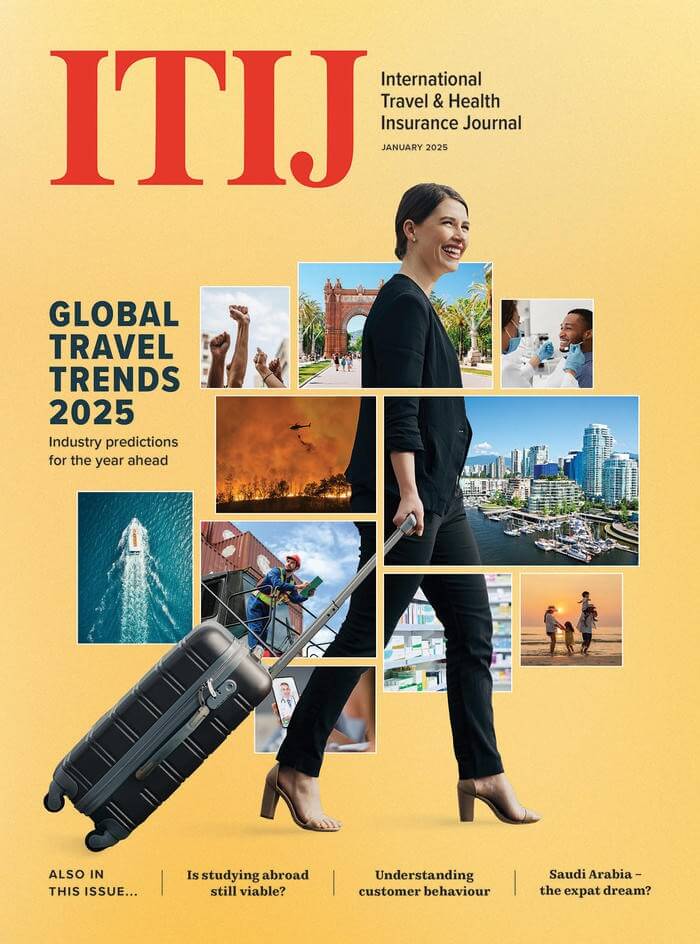
In this issue we look at worldwide travel trends for the year ahead; speak to insurance experts about how they go about understanding their customers; examine the pros and cons of living and working in Saudi Arabia; and look at the shift in the international student community.
Gitte Bach
Gitte’s experience in global healthcare started at IHI Danmark, where she developed a vision for better solutions in international healthcare. She built NFG to create more robust cost management, claims administration, pharmacy, telehealth, and concierge solutions for clients worldwide.













February 2025
Issue
Offering readers a deep dive into the issues facing providers and payers of healthcare services around the world. Cost containment, international patient department development, the role of AI in healthcare delivery and more.