
Industry Voice: Hotspot Cover's George Dagnall on risk reality

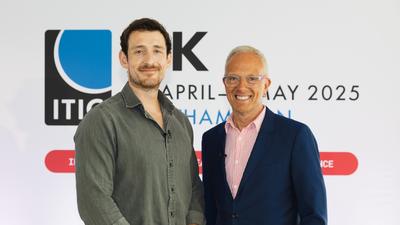
George Dagnall, COO of Hotspot Cover, shares with ITIJ his insights on the fragility and volatility of Lebanon
Lebanon has entered a fragile and highly uncertain pause in what has been one of the most precarious geopolitical positions in the region. In April, under a US-brokered ceasefire arrangement, Hezbollah pulled back from a majority of its military positions in the south, handing control of around 190 sites to the Lebanese Army. A rare and significant move, one suggesting an effort to de-escalate tensions with Israel, at least on paper.
But that doesn’t mean the situation is stable. The south remains tense, with Israeli airstrikes continuing against targets they claim are tied to Hezbollah violations. In early May, Israeli strikes hit areas around Nabatieh, reportedly killing at least one person and injuring several others. The border remains a powder keg, and all it would take is one miscalculation for hostilities to resume.
Meanwhile, the Lebanese state continues to struggle with systemic dysfunction. The economy remains in freefall, despite recent progress: a US$250 million World Bank loan was secured to tackle electricity shortages, and parliament passed long-delayed banking secrecy reforms. While inflation has reportedly eased, the reality on the ground remains difficult, institutions are stretched, and public frustration is once again spilling into the streets.
For organisations operating in Lebanon, or using Beirut as a launchpad for Syria or Gaza, the operational picture is complex
For organisations operating in Lebanon, or using Beirut as a launchpad for Syria or Gaza, the operational picture is complex. You’ve got a relatively open capital with some infrastructure intact, but a volatile southern corridor, fragile government, and armed groups with shifting allegiances. It’s a fragile calm and no one thinks it will hold forever.
Insurance challenges and market response
From an insurance and assistance perspective, Lebanon faces the risk of becoming ‘too complicated to touch’ for many traditional providers. While full exclusions haven’t hit yet for the more niche providers, coverage is narrowing, especially for the south and areas near the Israeli border. Travel insurers are starting to follow patterns we’ve seen in Syria and Gaza, with increasing reliance on case-by-case underwriting, mandatory pre-trip risk reviews, and local partner vetting.
Evacuation remains a big concern. Rafic Hariri International Airport is still operational, but any escalation with Israel would likely ground flights. Ground evacuation to Syria is unreliable, and maritime routes are limited. Assistance providers are building redundancy into plans, secondary evacuation corridors, cross-border liaisons, and real-time tasking capabilities, but nothing here moves fast without pre-established networks.
There could also be a noticeable uptick in kidnap and ransom exposure – not just from armed groups, but from politically affiliated factions capable of detaining foreign nationals under a variety of pretexts. Journalists, NGO workers, and even private sector operators face rising obstruction risks, particularly if seen as politically sensitive.
Some insurers are adjusting. There’s more interest in dynamic cover that links insurance to intelligence, where real-time assessments shape what’s covered, when, and how. But appetite can thin quickly. Lebanon may still be insurable, just. But only for clients with strong local connections, robust planning, and the flexibility to adapt fast.
Strategic takeaway
Lebanon’s not on fire, but it’s not stable either. The ceasefire gives breathing room, not a resolution. For insurers and response teams, the key is agility, building in layered plans, intelligence-led coverage, and always assuming that today’s access could be gone by tomorrow.
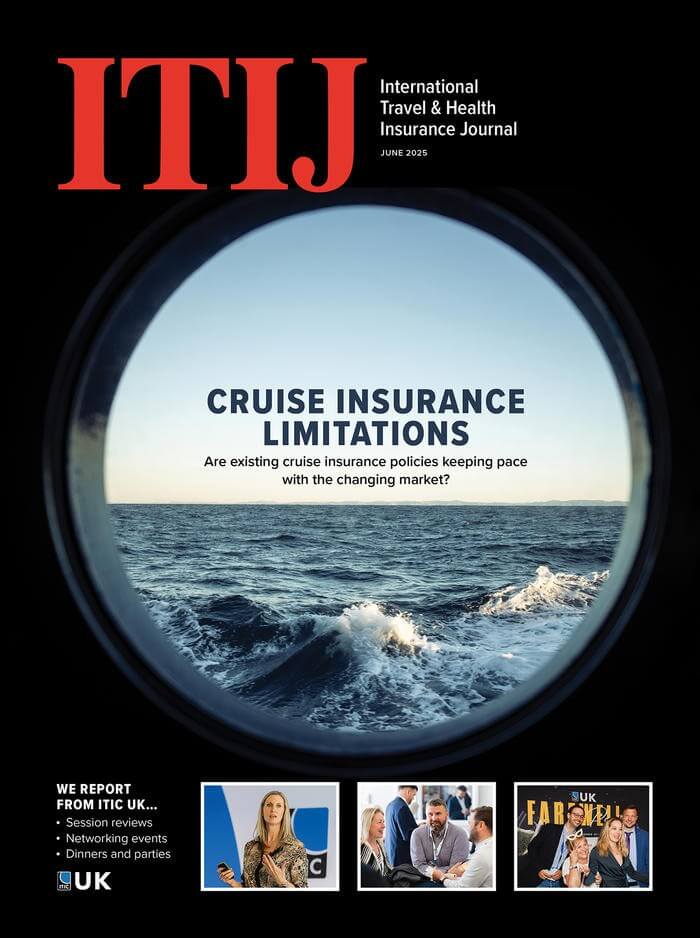
June 2025
Issue
In this issue of ITIJ we examine the repatriation of mortal remains, and look at the trends, challenges and local expertise required. We also consider cruise insurance limits and exclusions and ask whether the latest cruise insurance policies are keeping up with what the travel market is offering.
George Dagnall
George is a risk management expert specialising in conflict zones. With a background in security strategy, a decade of military service, and senior consultancy experience, he ensures comprehensive protection in high-risk environments.