Enhancing the patient journey

Alysia Cameron-Davies considers the role of innovative technology in modern healthcare
As healthcare embraces digital transformation, hospitals, insurers, and assistance companies are adopting cutting-edge technologies to redefine patient care, streamline operations, and improve the overall patient experience.
Current innovations
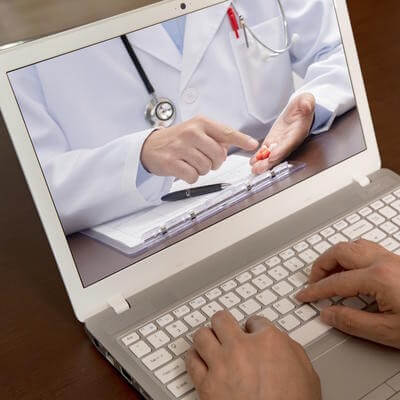
Hospitals are now implementing integrated smart systems and Internet of Things (IoT) enabled devices that allow real-time monitoring, automated room adjustments, and enhanced clinical processes, boosting both patient comfort and clinical efficiency. Extended reality tools like augmented reality (AR) and virtual reality (VR) are now being used to support complex surgeries, advance medical training, and even provide patients with an immersive experience before they visit a facility in person. Additionally, digital tools like telemedicine, remote monitoring, and personalised health apps have become integral to modern healthcare, giving patients access to care wherever they are.
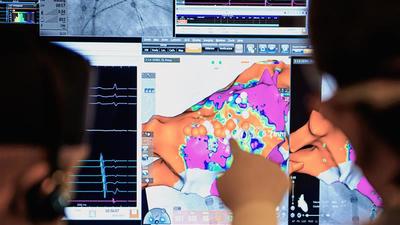
Lynne Fung, Executive Director of Business Development at Matilda International Hospital, shared some of the hospital’s recent technological upgrades: “On the clinical side, we have upgraded our radiology information system to integrate laboratory data with imaging reports,” she explained. “This enhancement allows doctors to access test reports in as little as five minutes, markedly improving clinical care management.
We know that claims are one of the most critical moments in the journey for members so we put a lot of focus on leveraging technology to make that journey as seamless and frictionless as possible
“We have also recently upgraded our operating theatre with the addition of a new mobile C-arm scanning device, designed to accommodate patients of any body type. This cutting-edge technology, equipped with a flat detector, significantly improves the quality of X-rays and supports our medical team in making more informed decisions during surgeries such as orthopaedics and endoscopic retrograde cholangiopancreatography (ERCP).”
Additionally, Fung highlighted the recent upgrades to the maternity wards, which aim to enhance comfort and convenience for expectant mothers. Each upgraded room is equipped with an iPad, allowing mothers to control their environment – from adjusting the temperature and lighting to operating the TV, fan, and curtains – all from the comfort of their beds.
Meanwhile, Sofi Mişolam, Liv Hospital’s International Insurances and Contracted Institutions Group Manager, shared insights into one of the hospital’s most significant digital advancements: Healthverse PanoramicWEB. She explained: “With this platform, patients can tour the facility from anywhere in the world via VR glasses, mobile phones, or computers in a 360-degree view. They can also meet with their doctors and gain information about the treatment to be provided.”
Mişolam added that during these virtual tours, patients can ask questions in real time and access videos and other embedded resources. She also noted that the platform allows healthcare professionals to perform their duties remotely, effectively ‘cloning’ themselves into the hospital, even when they are off-site.
Reflecting on the importance of social media, Mişolam noted that in today’s world, it plays a key role in patient engagement: “Through our social media accounts, we can convey our services and the unique approach of our physicians, eliminating borders,” she said.
Eve S Jokel MPH, International Patient Services Director at Luz Saúde/Hospital da Luz, said: “Unnecessary hospital visits are stressful for most people, but especially for international clients. Luz Saúde offers a service called Luz24, a free 24/7 telephone nurse triage service in English and Portuguese, that patients can call prior to visiting the urgent care.
As the healthcare landscape continues to evolve, those who prioritise data-driven insights will undoubtedly set themselves apart in the quest for excellence in patient care
“Depending on the situation, alternative solutions to urgent care are presented to the client that could consist of a treatment plan for home care and follow-up by phone for symptoms that do not require a physical examination or tests, or an urgent video consultation with a physician, or they may simply have prescriptions renewed, among other solutions.”
Jokel went on to say that: “In addition, if the nurse believes the client should be seen in urgent care, all of the information provided during the call will be available at the hospital before the patient arrives, and they will select the Luz24 admission once they arrive, effectively reducing the time of admission and triage in the hospital.
“There are many things to organise for patients who travel for care. Our My Luz app, available in English and Portuguese, acts to centralise all digital services available to clients in one platform. Besides basic information about the hospital and physician, patients planning to come to Portugal for programmed care may use the app to conduct an initial video consultation with the physician, upload clinical information securely for the physician to review, consult their agenda of services once the procedure and any pre/post-surgical consultations and exams have been prescribed, as well as receive follow-up consultations and medical reports once they return home. Centralising all the information for the client in the app allows them to manage the majority of the needs at their convenience from anywhere, making the process much less dependent on phone and email communications, even as these also remain available as required during any part of the process. With or without this technology, there is always an International Patient Services team available in the hospital to follow these clients and assist as needed.”
From an assistance perspective, Dr Ahmed Monir, Founder of LGA Assistance Group, highlighted the Healthcare Provider Auto-Selection System (HPASS), an advanced tool designed to enhance operations at LGA. This innovative system uses sophisticated algorithms to match patients with the most suitable healthcare providers, taking into account each patient’s medical needs, location, and personal preferences. “This revolutionary automation streamlines care coordination, guaranteeing that patients receive the precise treatment they need – exactly when they need it,” he said.
Insurers, on the other hand, are harnessing advanced technologies like artificial intelligence (AI) to optimise patient care and claims processing. These innovations can help speed up claims approvals and enable the development of more personalised insurance plans. “We know that claims are one of the most critical moments in the journey for members so we put a lot of focus on leveraging technology to make that journey as seamless and frictionless as possible,” said Lynn Pina, the Chief Marketing Officer at GeoBlue.
She elaborated: “Members can use the eClaims wizard in our mobile app to submit claims easily and accurately, with guidance throughout the submission process that helps ensure ‘clean’ claims upon initial submission.”
She explained that digital self-service tools also allow members to track claims statuses, submit additional information, and check their benefits usage against their policy terms. “We use coding tools that allow us to quickly access the correct codes, rates and data to support efficient claims processing and AI-powered translation tools, supplemented by human oversight, to translate medical records and other related documents. We leverage bank validation technology for electronic claim payments – wire, electronic funds transfer (EFT), etc. – and, of course, data analytics tools to identify trends, issues and opportunities for improvement.”
Patient insights: collecting data and feedback
The experts unanimously agreed that analysing patient feedback is essential to ensure customer satisfaction and reveal areas of service where improvement is needed.
Dr Monir stated: “In today’s rapidly evolving healthcare landscape, data analytics plays a crucial role in identifying service gaps and driving improvements to enhance the patient experience.” He explained that LGA has an admin team dedicated to gathering and analysing data from patient surveys and reviews, to gain deeper insights into patient needs and desires and pinpoint areas needing improvement.
There isn’t a function within most businesses that won’t be touched by AI, and the opportunity to leverage it across so many processes is vast
“Armed with insights from data analytics and feedback from the voice of the customer (VoC) surveys, healthcare leaders can implement targeted strategies to bridge these service gaps,” he said. “For example, if customers are dissatisfied with long wait times in the emergency room, efforts can be made to enhance efficiency and reduce delays”.
Dr Monir stressed that analytics supports a culture of continuous improvement by enabling the leadership team to regularly assess the effectiveness of initiatives, ensuring responsiveness to patient needs and international private medical insurance (IPMI) requirements.
“By harnessing the power of data, organisations can make informed decisions that enhance the patient experience, ultimately leading to better health outcomes and greater patient satisfaction. As the healthcare landscape continues to evolve, those who prioritise data-driven insights will undoubtedly set themselves apart in the quest for excellence in patient care,” he concluded.
Fung and Mişolam discussed how they use patient feedback to improve services in their medical centres, noting that gathering patient insights is essential to improving patient care.
Fung outlined the approach at Matilda International Hospital: “We employ a comprehensive approach to collecting and analysing patient feedback at each stage of their journey with us, from initial consultation to post-discharge,” she said. “Patients visiting our outpatient services, those admitted to our hospital, and visitors to the Matilda Medical Centre are invited to provide feedback via a survey accessible through a QR code. Additionally, our Patient Service Centre proactively sends a feedback survey via email after patients are discharged”.
Fung explained that the survey consists of five questions aimed at measuring satisfaction with different parts of the service, including quality of care, attentiveness, respectfulness, clarity of information received, and privacy. She noted: “Once feedback is received, an immediate notification will be sent to department heads for review and to take action if required.
“Furthermore, to ensure continuous improvement, we generate a mid-year quality service report as a checkpoint to review all data related to patient feedback. At the end of each year, a comprehensive report reviews customer satisfaction for the calendar year and helps us develop an action plan for further improvements in the following year.”
Mişolam explained that Liv Hospital employs international patient consultants, interpreters and support teams who are citizens of the countries they represent, ensuring cultural sensitivity and personalised care for all patients. Patient feedback is actively gathered and analysed throughout their treatment journey and any issues raised are addressed promptly. “All these efforts guide addressing service gaps and creating new processes to increase patient satisfaction. Moreover, personalised services can be planned based on language, culture, and medical needs. For example, some cultures may have different dietary preferences or social expectations in a hospital setting, and adjustments can be made accordingly,” she noted.
Jokel said that they have a database of languages spoken at all hospitals for all staff that is connected to their human resources system. “Therefore, it is possible to search for language support internally and for a specific language or role among current staff. Anyone working in any hospital can access this database through the intranet in order to match a physician to a client for the spoken language or to find communication support for an international client quickly, within the languages we have available.”
Jokel added: “We have an e-learning platform that allows for various webinars, short courses or longer courses for the staff in the hospitals. Among the short courses we have is one about International Patient Services. It presents an introduction to the support available throughout the group for language, explains the special challenges international patients face with regard to language and cultural differences when seeking healthcare, and presents an overview of the volume of international patients we have and trends for them entering the country.
“Additional courses that will assist the hospitals in receiving international clients are being developed, including English courses for the hospital setting for clinical staff, as well as one about international payers and how to work with them. The elearning platform facilitates the spread of information, services, expectations, operational support in an easily accessible and uniform way, and it is one of several platforms where International Patient Services is visible and provides support to the units to manage this client group.
“Our customer relationship management (CRM) system identifies the languages and nationalities of the clients. Clients who do not speak Portuguese will receive communications in English automatically, unless they request to receive Portuguese.”
Pina shared how GeoBlue collects feedback through various channels, including call centre data, website surveys, and app usage analysis: “We also conduct user testing sessions to pinpoint pain points and test new ideas, ensuring that our improvements align with member needs.” Additionally, she highlighted the use of AI-driven conversation intelligence, which provides valuable data to enhance customer interactions and guide agent feedback and coaching: “By combining this direct member feedback with operational data analytics, we’re able to create a more seamless and engaging experience for our members, and also customise our member communication campaigns to meet our members’ needs.”

Innovations on the horizon
We asked the experts what future innovations they were most excited about. Pina answered: “It’s undoubtedly AI. There isn’t a function within most businesses that won’t be touched by AI, and the opportunity to leverage it across so many processes is vast. In healthcare, AI can support clinical care by synthesising notes, generating care plans, and creating summaries for members. Additionally, in claims management, AI has the potential to refine sales and marketing strategies, optimise targeting, enhance messaging and ad campaigns, and identify potential prospects more effectively.”
For assistance services, especially those involved in medical support, early detection enables a new standard of proactive care
She explained: “We have built a technology roadmap designed to harness the power of this emerging technology while doing so in a responsible manner. We’ve established guiding principles for the use of AI with a focus on the human impact, accountability, transparency, equity and safety.”
Jokel said: “I am excited about the continued evolution of My Luz. Most recently, My Luz has added the capability to collect data from wearables, health monitoring equipment and products such as smart watches. Health professionals may remotely monitor patients’ health by synchronising data from wearable devices through Google Fit and HealthKit to My Luz. Data that can be monitored includes calories burned, steps, heart rate, oximetry, blood glucose, blood pressure, sleep, weight, and body temperature.
“My Luz is the first private health patient portal in Portugal to offer these capabilities. In addition, the patient can save additional data and measurements in the Health Cards in My Luz in order to have a detailed and complete knowledge of the evolution of their health status. An example of a Health Card is one that tracks headaches. The patient reports a few pieces of information in My Luz for each headache at time they occur, and these items may be added to the clinical file, analysed and charted.”
Jokel went on to say that AI will certainly have many applications in medicine, “in what we do to simplify bureaucracy, improve our communication, manage languages, understand patient behaviours in their environments, as well as help us use more relevant information more quickly, integrating information that is sometimes scattered across many places. We are developing several AI projects, among which is one that will help doctors manage multimorbidity patients. If a disease is very complex, when we have more than one disease at the same time, the complexity increases substantially. AI tools can be of great help here.”
Mişolam agreed that AI would be pivotal in the future of healthcare and elaborated on other prospective innovations. She forecast: “In the future, there may be a shift towards a fully digitalised approach to healthcare, where patients can diagnose their illnesses through digital processes, determine their treatment methods remotely, and implement necessary procedures using artificial intelligence, all without the need for a doctor. This would revolutionise the fields of medicine and hospital services. Data will even be transmitted through special clothing, enabling centralised tracking of health indicators. These systems will regularly provide preventive health information, revolutionising healthcare,” she concluded.
Dr Monir also expressed his fascination for preventative care, stating: “For assistance services, especially those involved in medical support, early detection enables a new standard of proactive care.” He discussed the potential of remote patient monitoring and predictive health analytics, emphasising the role of AI in advancing preventative measures. “With wearable devices and AI-driven predictive analytics, assistance providers can monitor vital signs, alert patients to potential issues, and intervene before emergencies arise,” he explained.
Additionally, early-detection technologies play a crucial role in identifying the early stages of chronic diseases and cancer. Dr Monir highlighted several key technologies, including liquid biopsies, AI-powered imaging, genomic testing, breath and urine tests, continuous glucose monitoring (CGM) for diabetes, wearable electrocardiograms (ECGs) and heart monitoring devices, and biomarker detection for Alzheimer’s disease. “The earlier a disease is detected, the better the chances of successful treatment,” he affirmed. “This makes early-detection technologies, especially those using advanced diagnostics, one of the most fascinating and hopeful fields in healthcare today.”
Looking ahead, Dr Monir remarked: “As early-detection technology continues to evolve, the future holds exciting possibilities. We may see routine cancer screening done entirely through blood tests, wearables that constantly monitor biomarkers for various chronic conditions, and even AI that predicts disease risk years before symptoms appear. Such technologies are not just about extending lives but about enhancing quality of life, allowing people to address health risks before they impact their day-to-day lives.”

February 2025
Issue
In the February issue of ITIJ we examine current geopolitical risks and their impact on travel; look at ground ambulance provision and how it is meeting customer needs; and explore the use of technology in the patient journey – looking at the efficiency of services.
Alysia Cameron-Davies
Alysia is a copy writer for Voyageur Publishing.










February 2025
Issue
Offering readers a deep dive into the issues facing providers and payers of healthcare services around the world. Cost containment, international patient department development, the role of AI in healthcare delivery and more.