
Southeast Asia healthcare demand surges

Regional healthcare systems face mounting capacity pressures as providers expand infrastructure, partnerships, and technology adoption to meet accelerating demand
Southeast Asia’s healthcare sector is experiencing rising demand for more advanced and accessible medical services, driven by economic growth, demographic change, and increasing health awareness. However, healthcare spending across the region remains relatively low at around 4–7% of gross domestic product (GDP), below levels seen in higher-income markets. This is placing additional pressure on health systems already managing ageing populations and a growing burden of non-communicable diseases such as diabetes and cardiovascular conditions.
The trend is creating new operational pressures and opportunities for international private medical insurers (IPMI), hospital groups, and healthcare providers. Across the region, systems continue to face challenges including limited rural infrastructure, healthcare workforce shortages, medical talent migration, and high out-of-pocket costs for patients, even as public coverage expands.
Governments and private providers are increasingly expanding public-private partnerships to help improve access and efficiency. Thailand and Malaysia are among the countries strengthening their positions as regional medical hubs, investing in hospital infrastructure and specialist services to attract international patients and increase high-value care capacity.
At a recent WHX Bangkok and Medtec Southeast Asia seminar in Bangkok, Dr Paradon Kulkliang, Deputy CEO of Samitivej and BNH Group of Hospitals and Hospital Director of Samitivej Sriracha Hospital, said that Thai private hospitals were expanding through specialist centres, digital healthcare services, and network growth. He highlighted the development of virtual hospital models, artificial intelligence (AI)-enabled diagnostics, and new facilities in high-demand areas such as the Eastern Economic Corridor to support growing domestic and international patient volumes.
Medical technology adoption is also increasing across the region. Hospitals are deploying telemedicine, mobile health applications, and AI-based diagnostic tools to improve access and reduce pressure on clinical staff. Demand is also rising for point-of-care diagnostics, wearable health devices, robotics, and minimally invasive technologies.
In the medical devices sector, pricing pressure remains strong. Waranchalee Suwanpimolkul, Medical Devices Industry Cluster Chair at the Thai Subcontracting Promotion Association, said buyers including hospitals and healthcare systems continued to exert significant cost pressure, particularly in finished devices. She added that manufacturers with strong regulatory compliance and technical capabilities were better positioned to secure long-term supply partnerships.
Healthcare stakeholders say continued investment in infrastructure, technology, and cross-border collaboration will be key as demand for services in Southeast Asia continues to rise.
WHX Bangkok and Medtec Southeast Asia 2026 will take place in Bangkok at the Queen Sirikit National Convention Center (QSNCC) from 8–10 July, bringing together 18,000 attendees and from 54 countries.
Chloe Fox
Chloe Fox is a Junior Editor at Voyageur Group, having joined in 2024. She writes for ITIJ and AirMed&Rescue, covering a range of topics including international travel and health insurance, medical assistance provision, and air medical transportation. Chloe holds a BA (Hons) in English and an MA in English Literature from the University of Bristol.









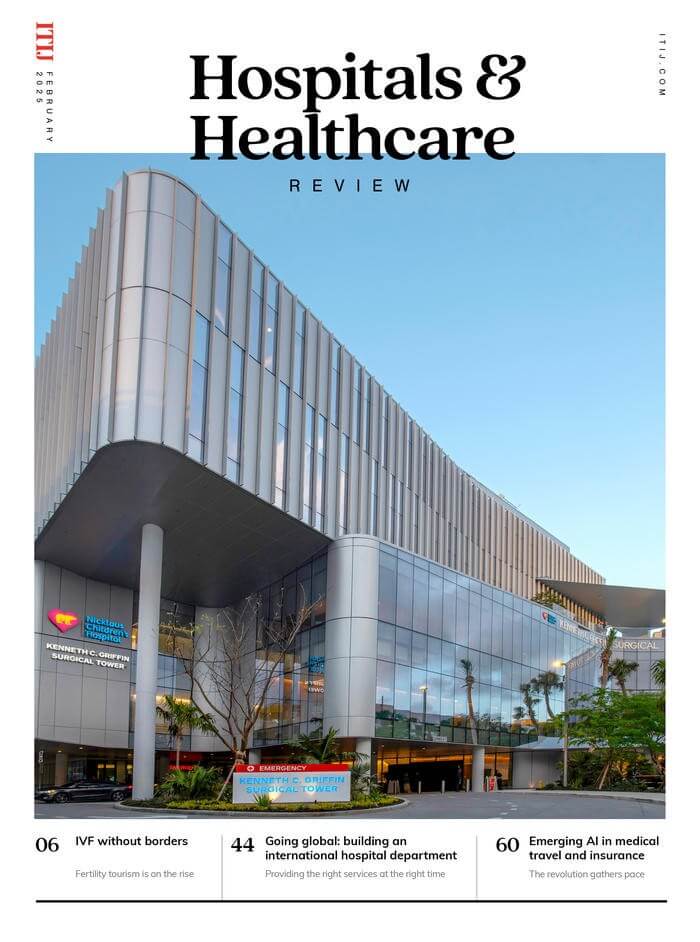
February 2025
Issue
Offering readers a deep dive into the issues facing providers and payers of healthcare services around the world. Cost containment, international patient department development, the role of AI in healthcare delivery and more.