Plastic chemical exposure linked to millions of preterm births worldwide

Researchers provide the first global estimate of the health burden linked to phthalate exposure, highlighting significant regional disparities and regulatory gaps in managing plastic-related risks
A new global analysis has linked exposure to a widely used plastic additive with millions of preterm births and tens of thousands of newborn deaths.
Researchers at NYU Langone Health estimate that di-2-ethylhexylphthalate (DEHP), a common phthalate used to make plastics more flexible, may have contributed to 1.97 million preterm births in 2018 – more than 8% of the global total – and approximately 74,000 neonatal deaths. Findings were published on 31 March in eClinicalMedicine.
Phthalates are commonly found in cosmetics, detergents, and other household products, and can enter the body through food, air, and dust. Preterm birth remains a leading cause of infant mortality and long-term developmental issues, according to the World Health Organization.
“By estimating how much phthalate exposure may contribute to preterm birth worldwide, our findings highlight that reducing exposure, especially in vulnerable regions, could help prevent early births and the health problems that often follow,” said study lead author Sara Hyman.
The study found regional disparities, with the Middle East and South Asia accounting for 54% of related illness, while Africa saw disproportionately high mortality.
Senior author Leonardo Trasande warned: “We are playing a dangerous game of Whac-A-Mole with hazardous chemicals, and these findings highlight the urgent need for stronger, class-wide oversight of plastic additives to avoid repeating the same mistakes.”
Researchers noted uncertainties but said even conservative estimates indicated a significant global health burden.
The ITIJ team recently spoke to Dominique Kent, CEO of Bluecrest, about preventative health, menopause support, and prioritising quality of life alongside longevity.
Chloe Fox
Chloe Fox is a Junior Editor at Voyageur Group, having joined in 2024. She writes for ITIJ and AirMed&Rescue, covering a range of topics including international travel and health insurance, medical assistance provision, and air medical transportation. Chloe holds a BA (Hons) in English and an MA in English Literature from the University of Bristol.









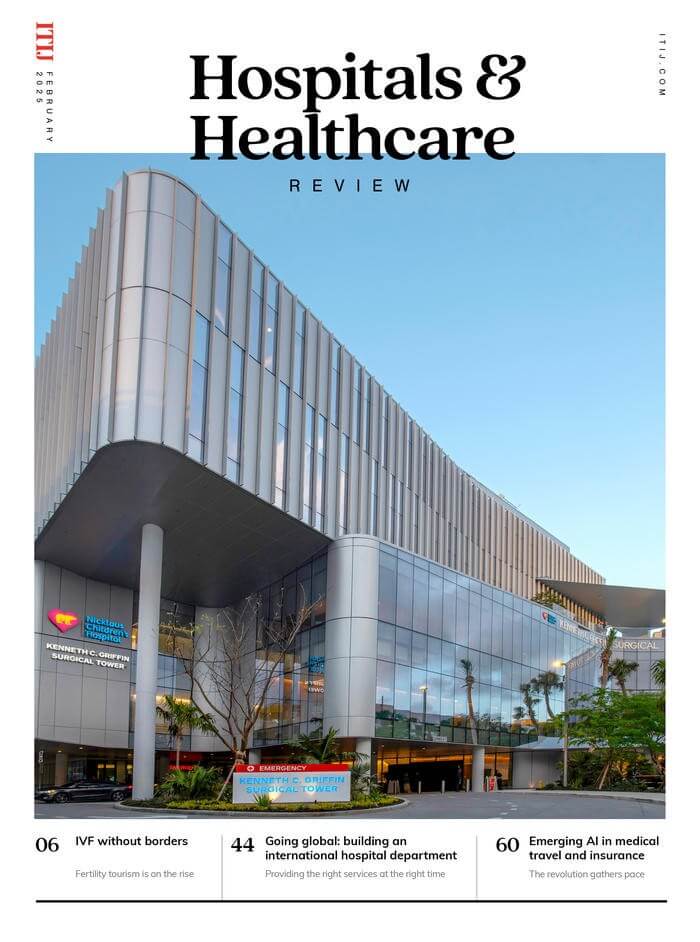
February 2025
Issue
Offering readers a deep dive into the issues facing providers and payers of healthcare services around the world. Cost containment, international patient department development, the role of AI in healthcare delivery and more.