
What to see and do in Brighton

Make the most of your time at ITIC UK in April, and enjoy everything this lively seaside city has to offer
ITIC UK 2026 will be hosted at the renowned Grand hotel, set on the seafront in the lively seaside city of Brighton, East Sussex. From its iconic pier and historic lanes to its buzzing food and arts scene, the city offers plenty to explore.
Discover Brighton
Brighton has a long-standing reputation as one of the UK’s most vibrant cultural destinations, with a flourishing arts scene, independent spirit, and welcoming atmosphere that make it popular with visitors year-round.
Street art, live music, theatre, and pop-up events can be found across the city, particularly in North Laine and around the seafront, giving Brighton its distinctive creative character. The city frequently hosts festivals covering music, comedy, film, and food, so there is often something new to discover, even for repeat visitors.
Brighton is also well known for its relaxed and inclusive atmosphere, making it an easy city to explore whether travelling alone or with colleagues. Distances are short, public transport is reliable, and many of the main attractions are within walking distance of each other. This makes it simple to make the most of your time, whether you have just an hour to spare or a full day to explore.
The famous Brighton Pier features a variety of attractions, including rides, arcade games, and classic seaside food stalls. You can also enjoy a stroll along the seafront and pebble beach, or take in panoramic views from the 162m Brighton i360 observation tower.
The famous Brighton Pier features a variety of attractions, including rides, arcade games, and classic seaside food stalls
If you have time for a longer scenic stroll, the Undercliff Walk is not to be missed. This 5km coastal path runs along the base of the cliffs from Brighton Marina to Saltdean, offering dramatic cliffside views and quiet coves accompanied by fresh sea air.
For retail and dining, Brighton Marina offers plenty of restaurants and shops by the water, or get lost in the Lanes, and North Laine – their narrow, historical streets are brimming with independent shops, cafés, and creative spaces.
The Royal Pavilion, the city’s most distinctive landmark, is renowned for its Indian-inspired architecture and lavish interiors. Explore decadent state rooms, royal apartments and kitchens, then wander through the surrounding gardens to admire the palace’s striking domes and minarets.
Set within the Pavilion Gardens, the Brighton Museum & Art Gallery houses an impressive and diverse collection of art, design, and historical artefacts. Highlights include fashion and textiles, world art, local history exhibits, and contemporary design pieces, alongside regularly changing exhibitions that showcase everything from modern art to cultural history.
On the outskirts of the city, Stanmer Park, located within the South Downs National Park, provides a peaceful contrast to the lively centre with expansive parkland, woodland trails, picnic spots, and cafés.
Culinary highlights
In the evening, the city comes alive with a wide choice of entertainment, from traditional pubs and stylish cocktail bars to live music venues and late-night cafés along the seafront. Whether you prefer a quiet drink with a sea view, a lively night out in the Lanes, or a relaxed dinner overlooking the marina, Brighton offers something to suit every taste.
Brighton is widely recognised for its outstanding food scene, offering a huge range of restaurants. Michelin-recommended highlights include The Little Fish Market, an intimate seafood restaurant; Palmito, specialising in Latin American cuisine; Embers, just a short walk from the conference hotel in the Lanes, serving wood-fired sharing plates; Burnt Orange, known for bold, flavour-packed dishes also cooked over an open fire; and Maré in Hove, recently awarded a Michelin star. Other popular options include Cin Cin, celebrated for mouthwatering Italian dishes, and Terre à Terre, a long-standing favourite for creative vegetarian and vegan cuisine.
For classic British fish and chips, try Bardsley’s of Baker St, a traditional, family-run favourite, or another authentic, popular choice is Bankers Fish & Chips.
A few of the best spots to enjoy some well-deserved cocktails include The Plotting Parlour, Bar Valentino, Blossoms, Apiary, and Clementine & Co. For wine lovers, Ten Green Bottles is one of the city’s trendiest wine bars, offering a wide selection of wines alongside small plates of cheese and charcuterie.
Getting to Brighton
Often referred to as ‘London by the sea’, Brighton is under an hour from the capital by train, and, once you’re there, most of the city’s top sights are just a short walk or taxi ride from the conference facility.
Explore further afield
Brighton’s proximity to London means the capital’s world-class museums, historic landmarks, shopping districts, and vibrant nightlife are all just a stone’s throw away.
Set within the Royal Pavilion Gardens, the Brighton Museum & Art Gallery houses an impressive collection of art, design, and historical artefacts
If you want to explore more of the stunning Sussex coastline, Cuckmere Haven and the famous Seven Sisters cliffs are just a short drive from Brighton and showcase some of the UK’s most breathtaking coastal scenery. At Cuckmere Haven, the river meets the sea, forming a picturesque estuary and a refuge for local wildlife. The Seven Sisters are dramatic white chalk cliffs that tower above the coastline, offering panoramic views across the English Channel.
The countryside also offers charming villages, historic houses, and scenic walking routes. Traditional flint cottages, rolling hills, and quiet country pubs provide a very different pace compared with Brighton’s bustling promenade. The nearby South Downs are ideal for walking, cycling, or simply enjoying wide open views across the English countryside, and the area is known for its natural beauty in every season.
April 2026
Issue
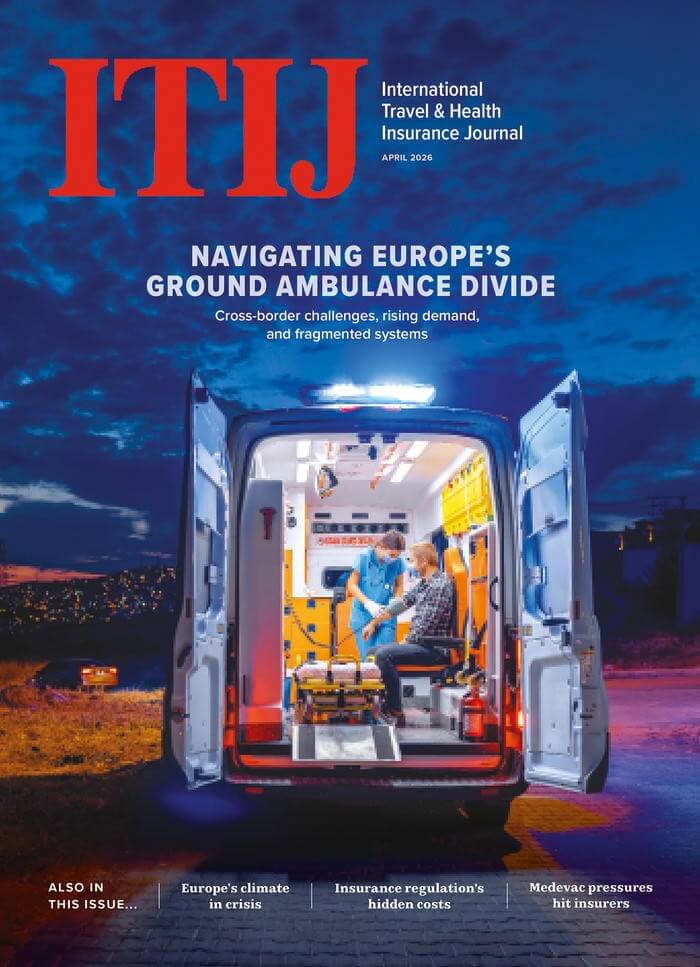
Across Europe, demand for ground ambulance services is rising, while capacity, workforce availability, regulatory limits and inflationary cost pressures intensify. We look at the evolving landscape, highlight major market stress points, and assess how stakeholders are responding. We also have anassessment of the latest regulations in different jurisdictions that are hindering insurance development and growth. We cover the most important regulatory frictions across major and emerging jurisdictions, explain how they impede growth, and propose actionable mitigations for industry stakeholders.
Alysia Cameron-Davies
Alysia is a copy writer for Voyageur Publishing.