Protecting employees’ mental health during Covid-19 – no matter where they are in the world

Amid the growing mental health pandemic, Arjan Toor, CEO of Cigna Europe, takes us through some of the latest Cigna survey results to identify what it is that travelling employees need from their assistance programmes right now
At the start of 2020, no-one had heard of Covid-19, and global pandemics were often thought to be something resigned to the history books and days gone by. Fast-forward nine months, and there’s not a single person that hasn’t been affected by the crisis, including companies and employees all across the world. Teleworking has suddenly become standard, as have the logistics of reaching out to workers everywhere, to help them in any way possible and to keep them healthy.
The pandemic has affected every part of our daily lives – professional, financial, social, family and personal. Protecting our loved ones, maintaining financial stability, coping with competing family priorities while working from home and watching an unfolding global crisis is unsettling for most of us. But how is it affecting personal wellbeing globally?
To give us unique insight into the physical and mental impact of Covid-19 on both our customers and our own employees, we conducted the Cigna COVID-19 Global Impact Study, which identified how the pandemic was impacting people’s emotional and physical health. It assessed more than 10,000 respondents from eight countries between January and August 2020.
The research raised serious concerns about how people were coping, especially after long periods of isolation during lockdowns, and how large proportions of people did not feel emotionally close to others as a result. Our most recent statistics suggest that in August, globally, 69 per cent said they felt close to other people, down from 73 per cent in April. Spain suffered the most significant drop in ‘closeness’, with 78 per cent saying they felt close to others in August, compared to 91 per cent in April.
Employees need support for stress-related issues but struggle to ask for it
The pressures and risks that come hand-in hand with Covid-19 have resulted in a rise in anxiety and mental health issues. These can often be worse for the globally mobile population, who are far from family, friends and home.
In addition, many of us, including the globally mobile workforce, are still working remotely – and will be for the foreseeable future. It’s important to remember that a team based around the globe is still a team that needs to be encouraged and supported. It’s crucial to maintain human contact and ensure all employees know their employer is there for them. Employers should be as supportive as possible and be aware that each and every individual is facing their own personal challenges as they navigate their career and family needs at this time. Employees need time to adjust to the new normal, no matter where they are in the world, perhaps to rearrange their schedules and address how to work effectively from home. We are all guilty of unintentionally spending more hours at our desk when working from home and especially when the lines between work and home become blurred.
Employees need to set clear boundaries to keep their working hours balanced, perhaps by introducing a separate workspace if possible. It’s also important to try and stay connected – virtual calls with colleagues, friends, mentors and line managers can be a vital source of support and advice during this period.

Despite mental health awareness being at an all-time high, even before the lockdown, our research showed that, globally, employees find it hard to open up to colleagues or health professionals to seek support for stress-related issues. This is so prevalent that 90 per cent of people opt to deal with stress on their own, rather than seeking medical advice. Now, more than ever, it’s important to understand the strain this new ‘normal’ can have on our mental health, particularly as our study reveals that 18 per cent believe their life will never be the same again.
Even during this uncertain time, an employer should aim to manage their team in the same way by using digital tools to help them remain connected. Connecting regularly over the phone or via video meetings will hopefully encourage employees to open up to their colleagues and/or their employer, in the same way they normally would, about their workload and any concerns they have, whether personal, health or work related.
Virtual health favoured by globally mobile employees
We have been working closely with our health partners across the globe to share the most relevant information to all our customers, as well as introducing new, virtual health services to help expand access to care for globally mobile employees.
The pressures and risks that come hand-in hand with Covid-19 have resulted in a rise in anxiety and mental health issues. These can often be worse for the globally mobile population who are far from family, friends and home
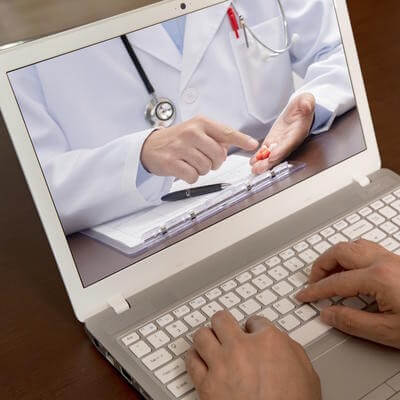
While virtual health tools aren’t new to the playing field, we have seen a staggering 500-per-cent increase in usage for virtual GP appointments between February and March 2020. For globally mobile employees, who aren’t in their home country and don’t have easy access to local healthcare, being able to access GP services without the need to physically step foot in a doctor’s office is a key driver of the uptake. Our COVID-19 Pulse Survey found that 58 per cent of respondents were now likely to use virtual health as an option for consultation or diagnosis. Globally, 19 per cent started using virtual health during the pandemic, with the US showing the highest adoption rate at 25 per cent.
Virtual GP appointments aren’t the only feather in the virtual health cap. Many virtual health tools provide access to a wealth of health and wellbeing resources, not to mention online cognitive behavioural therapy (CBT) platforms. These tools are designed to help people build resilience and develop skills to better manage stress and anxiety – to be calmer, more confident and in control. Cigna Inspire, for example, offers emotional wellbeing benefits and online services to support employees wherever they are in the world, including 24/7 telehealth services, medication shipments where employees can’t access prescriptions locally, and preventative care support.

Prioritise employees’ health and wellbeing by promoting a ‘check in’ culture
Whilst virtual health services and robust medical plans are important considerations for human resources teams when looking after the health, wellbeing and peace of mind of their employees, one of the easiest and most effective ways to protect workers is by recognising that during periods of change, people are more likely to experience mental health issues related to stress and anxiety. Our research shows that 50 per cent would like more employer support for mental health, while only 24 per cent said they already had measures in place.
50 per cent would like more employer support for mental health, while only 24 per cent said they already had measures in place
That’s why we’ve introduced a new ‘check-In’ initiative across our business, which urges employers and employees to check in on their co-workers, friends, loved ones and family members. Even with a global workforce, it’s important to create a caring culture where it’s ok to not be ok, or to take time out of your day to check in on your friends and family’s mental health. More than ever, companies need to address the impact that remote working can have on their globally mobile employees and creating a ‘check-in’ culture is one of the best ways to ensure that staff feel supported and cared for, which is one of our guiding principles.
A word from Dr Peter Mills
To help employers embrace a more caring workplace culture and introduce ‘check-In’, Dr Peter Mills, Cigna’s in-house medical expert, has developed guidelines for making the check-in culture a part of everyone’s daily practices:
- Warm-up – talk about lighter topics and gradually start going deeper. Being open about your own experiences is a great way to start conversations.
- Open-ended Questions – ask non-invasive questions that help guide the person towards finding potential solutions to their issue.
- Listen actively – give full focus on what the person is saying – actually talk about how they’re coping.
- Be non-judgmental – avoid responses such as ‘You’re just having a bad week’ or ‘I’m sure it’s nothing’. Be non-judgmental and take them seriously.
It is key for employers to have comprehensive wellbeing programmes that equip globally mobile employees with tools to reduce and manage their stress and anxiety levels. As people gradually return to the workplace in the coming months, this can be ingrained in the culture of the workplace, putting employees’ needs at the heart of HR strategies and showing that their health and wellbeing is a priority. ■
November 2020
Issue
This issue of the International Hospitals & Healthcare Review takes a look at some of the topics likely to play a major role in shaping the landscape of international healthcare in 2021.
We take a look at the new hospital price transparency in the US; assess the provision of healthcare and medical assistance in Singapore; speak to Cigna’s Arjan Toor about the pertinent topic of mental health in our Industry Voice; and weigh up the pros and cons of second medical opinion services.
Arjan Toor
Arjan Toor is CEO of Cigna Europe. Arjan leads this combined structure, which spans international organisations and governments, European employers and globally mobile individuals. Arjan is accountable for delivering affordable whole health solutions and accelerated innovation to meet the dynamic needs of customers.
In the November issue

Hospital price transparency in the US and international patient care

Second medical opinion services

Medical assistance and healthcare provision in Singapore







February 2025
Issue
Offering readers a deep dive into the issues facing providers and payers of healthcare services around the world. Cost containment, international patient department development, the role of AI in healthcare delivery and more.