
Proactive, not reactive: the benefits of medical checks for seafarers

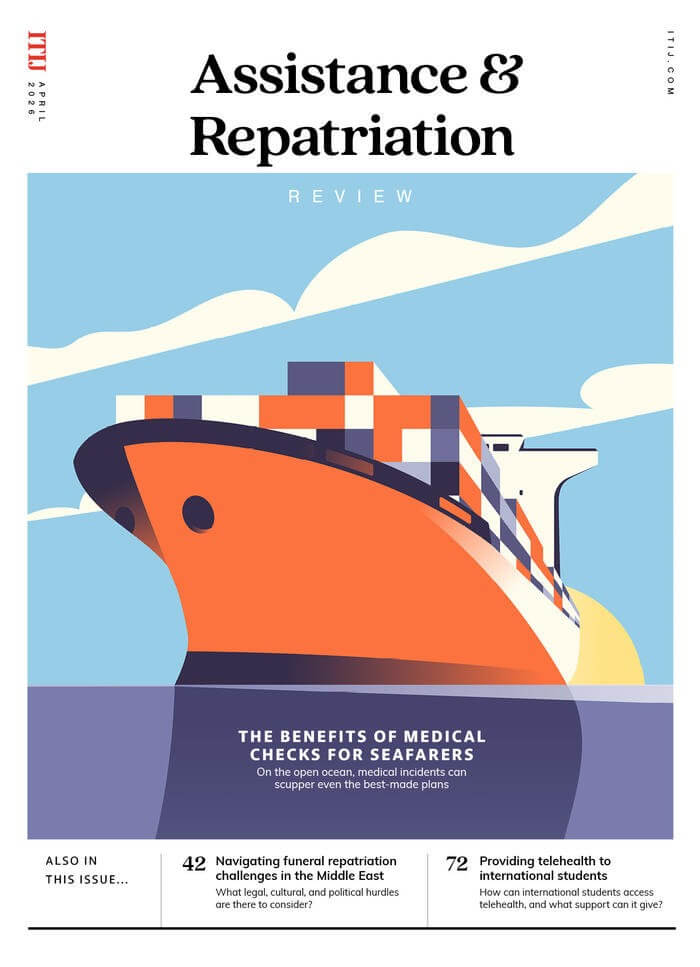
Out on the open ocean, medical incidents can scupper even the best-made plans. Oliver Cuenca explores how pre-deployment medical exams can help keep voyages on course
As medical challenges at sea grow increasingly complex, maritime experts are urging employers and insurers to treat pre‑deployment medical assessments as essential risk management tools rather than routine formalities.
By identifying chronic conditions, emerging mental health concerns, and functional limitations before a voyage begins, these screenings can prevent avoidable emergencies and reduce costly operational disruptions.
What is the function of a pre-deployment medical assessment?
Dr Laurian Csurovski, Approved Physician and Clinical Lead for Occupational, Diving and Offshore at DeltaMed Consulting, began by explaining that comprehensive pre-deployment medical assessments “function primarily as a risk management and prevention tool rather than a simple certification exercise”.
“Their value lies in identifying foreseeable medical risks before deployment, when intervention is still possible and relatively low-cost,” he said. “By detecting poorly controlled chronic conditions, medication issues, functional limitations, or emerging mental health concerns, clinicians can recommend optimisation, temporary restriction, or role-appropriate deployment planning.”
This is especially important, Dr Csurovski added, due to the limited treatment and evacuation options that mariners will encounter out at sea.
“From an insurer and assistance perspective,” he continued, “this approach helps to reduce avoidable claims, minimise operational disruption, and improve predictability of risk.”
Althea Wright, Director of Maritime at New Frontier Group (NFG), added that pre-employment medical examinations (PEMS) “help avoid surprises”.
“From what we see every day at NFG, strong pre-deployment assessments catch things early like cardiac risk, poorly controlled diabetes, mental health concerns, and many other things before they turn into evacuations or extended hospital stays.”
Dr Katherine Sinclaire, Senior Medical Adviser for Aviation and Maritime at International SOS , agreed, affirming: “Early detection of conditions such as diabetes and hypertension enables timely management, reducing the likelihood of complications that may require medical evacuation, diversion of the vessel, or extended treatment ashore.”
Crystol Lasley, Director of Maritime Medical Operations at AP Companies, noted that by ensuring medical fitness before deployment, and flagging potential issues early, healthcare could be shifted from reactive care to predictable, preventative care.
“Any medical condition that is identified, treated, and stabilised before a crewmember sails is one less condition that may escalate into an emergency at sea,” she said, adding that “from an insurer and employee perspective, routine and preventative care is significantly less expensive than emergency treatment”.
This is particularly true when factoring in the operational costs associated with “medical diversions, unplanned port calls, crew disembarkations, and potential voyage disruption”, Lasley said, warning that emergency care at sea in particular often triggers “cascading” costs for things like telemedicine, port logistics,
crew replacement, and foreign hospital admissions.

Which conditions are most prevalent among crewmembers?
Wright explained that a range of medical emergencies often occur at sea: “We do see a lot of cardiac-related events, acute abdominal pain, injuries from slips or equipment, and infections that escalate because care is delayed.”
Alongside this, “on yachts, there can also be more dehydration, alcohol-related incidents, and orthopaedic injuries. And we often find that many of these emergencies are connected to underlying conditions that existed long before the vessel left port.”
Wright also agreed that chronic conditions were a key factor behind a lot of cases, in addition to “long rotations, poor sleep, high stress, isolation, and limited dietary choices”.
“Mental health plays a big role here too,” she added. “Anxiety, depression, and burnout are far more prevalent than people realise, but they’re often not openly discussed.”
Lasley reported that, for many mariners, “diet on board is often shaped by cultural preferences and limited food variety, which can result in high sodium and carbohydrate intake”.
Additionally: “While crewmembers may be physically active during work hours, this does not necessarily translate into sustained cardiovascular exercise, and access to suitable fitness facilities or time for structured exercise is frequently limited.”
Finally, Lasley noted that the rising average age of the global seafaring workforce was accentuating this situation, leading to further age-related health issues and complications.
Dr Csurovski noted that “medical emergencies at sea most commonly fall into a small number of categories with disproportionately high operational impact”.
Beyond traumatic injuries, he added that infections, including dental and soft-tissue infections, acute neurological symptoms, and urological emergencies were frequently encountered, and that while some of these conditions might appear minor on land, they could rapidly escalate at sea.
“The common factor across all vessel types is that many emergencies are predictable in nature and therefore amenable to prevention or mitigation through appropriate pre-deployment assessment and planning,” he said.
Dr Sinclaire agreed, explaining that while cardiovascular conditions were comparatively infrequent, they were more likely to result in a vessel diversion and hospital admission, due to their severity.
She added that less serious conditions such as musculoskeletal or dental problems might require seafarers to disembark for treatment, but rarely resulted in diversions or admissions.
Do current pre-deployment medical assessments address mental health concerns?
When it comes to the mental health of mariners, Lasley said that while there had been a “noticeable shift” post-pandemic towards recognising the importance of mental health in the maritime sector, consideration for mental health as part of pre-deployment medical assessments remained uneven. She noted that AP Companies was working to ensure that both mental and physical health were considerations in their own assessments.
“While physical fitness is well established within [medical exam] frameworks, mental health screening is still limited or inconsistently applied, despite its direct impact on safety, performance, and overall crew wellbeing,” she explained, adding “Conditions such as anxiety, depression, burnout, and stress-related disorders can significantly impair a crewmember’s ability to function effectively on board, particularly in isolated and high-pressure environments.”
Anxiety, depression, and burnout are far more prevalent than people realise, but they’re often not openly discussed
Wright concurred that mental health had become increasingly prevalent in medical assessments in recent years, but said that, despite this, “crew may be hesitant to be fully honest because they worry about losing work”.
“Unfortunately,” she said, “we often see the consequences later when those issues surface mid-voyage. There’s a real opportunity to improve how mental health is assessed and supported before deployment, rather than reacting after a crisis occurs.”
Dr Sinclaire also noted that while most pre-employment medical assessments included mental health assessments, “they are not routinely mandated and assessment varies with differing regulatory bodies”.
Dr Csurovski agreed that there was increasing recognition that conditions such as “fatigue, anxiety, sleep disturbance, and mood disorders” could affect performance at sea.
“The challenge,” he said, “is to integrate mental health screening in a proportionate, confidential, and practical way, with clear pathways for escalation and support. When this is done well, it enhances safety without discouraging disclosure or creating unnecessary barriers to work.”

How do employers and insurers encourage or mandate preventative screenings?
Dr Sinclaire began by stating that seafarers were required by the International Labour Organization (ILO) Maritime Labour Convention, 2006, to be medically certified as fit to perform their duties at sea, and that many employers required screening as a condition of contract renewal, deployment, or insurance eligibility.
She added that crew illness claims were typically covered by the protection and indemnity (P&I) clubs that cover the third-party liabilities of ship owners, and that the same P&I clubs typically had their own pre-employment medical examination (PEME) programmes that advise ship owners on the type of tests that should be conducted.
Lasley explained that, for most employers in the maritime sector, pre-employment medical examinations were mandatory, and served as a primary mechanism for preventative screening. However, “while physical assessments are well defined, mental health evaluation is often minimal or absent”.
She added: “Forward-thinking employers and P&I clubs are beginning to go beyond minimum regulatory requirements … incorporating more detailed health histories, targeted diagnostics, and, increasingly, mental health considerations.”
Wright noted that, from her perspective, the best employers encourage workers to participate in preventative screenings by “making it part of their culture, not just a requirement”.
“They communicate that these screenings are about safety and support, not exclusion,” she said. Meanwhile, for insurers, the best way to encourage participation is to ensure that there’s a “clear pathway, so that if something is identified, the crewmember knows there’s help available”.

What are the typical medical facilities available on board cargo ships and yachts?
A key reason why pre-employment assessments and sufficient emergency medical training are so important in the maritime sector is that “most cargo ships and yachts do not have designated medical facilities or licensed medical professionals on board”, said Lasley.
“Instead, they rely heavily on telemedical services to connect crew with shoreside physicians when medical issues arise,” she added. “Cargo vessels often have stricter physical requirements due to long contract durations and extended periods between port calls, particularly on deep-sea routes. Yachts, by contrast, generally have more frequent port access and quicker availability of shoreside medical care, although onboard medical equipment and medications remain limited.”
Wright agreed, stating that while “many vessels are equipped with basic first aid training and a medical chest for non-life-threatening illnesses and injuries”, most vessels are not equipped for more serious incidents. She added that while yachts “may carry more equipment [than cargo vessels], they still don’t have full medical infrastructure like cruise ships do, for example”.
Dr Csurovski said that for vessels “operating on long or remote routes, pre-deployment assessments and planning are often more detailed. This reflects the higher consequence of medical events when evacuation options are limited or delayed, and reinforces the importance of robust pre-voyage risk assessment.
“While many cargo-carrying vessels do not have medically qualified personnel on board, the ship’s designated medical officers undergo medical training and education to be able to manage simple medical conditions on board,” said Dr Sinclaire. “For more serious medical conditions, the ship’s crew should have ready access to a shore-based medical advisory service.”


What changes could strengthen the role of pre-deployment medical checks?
Looking to the future, Lasley suggested that one of the most impactful changes that could improve health provision for maritime workers would be “the standardisation and expansion of pre-employment medical examinations beyond the current minimum standards set by flag states”. A flag state is the jurisdiction under whose laws a merchant vessel is registered or licensed.
“While existing regulations establish a baseline, they often fall short of addressing real operational risks,” she said.
Wright argued that often, the primary focus of many employers in the maritime industry was on having a readily available crew, and not the health of that crew. She argued that the goal should be to make communication about mental and physical health as open, honest, and regular as possible – ideally every six months.
By ensuring medical fitness before deployment, healthcare can be shifted from reactive care to predictable, preventative care
She added that, beyond this, “we also need policies that encourage early disclosure rather than penalise it. When crew feel safe being honest about their health, outcomes improve and costs decrease because we can be prepared.”
Dr Sinclaire suggested that “stricter, more standardised global medical fitness criteria, greater integration of mental health assessments, and mandatory periodic recertification” could improve the health of sailors.
Alongside this, she recommended that international guidelines outlined by the Maritime Labour Convention and the International Convention on Standards of Training, Certification and Watchkeeping for Seafarers (STCW) should offer greater guidance around “mental health, chronic disease management, and mandatory preventive screenings”.
Dr Csurovski concluded by advocating for “clearer escalation and review pathways for fitness decisions, and “ improved continuity of relevant medical information between clinicians, employers, assistance providers, and insurers” to avoid duplication and late-stage escalations.
Conclusion
Pre-deployment medical checks serve an important role in ensuring that sailors remain healthy and voyages stay on course, offering the chance for employers, insurers, and crew to be proactive in a sector otherwise defined by isolation and limited medical resources. But more can be done to improve standards, improve information sharing, and develop a stronger focus on chronic conditions and maintaining good mental health.
April 2026
Issue
In the first Assistance & Repatriation Review of 2026, we explore the cultural, legal, and logistical intricacies of funeral repatriation in, around, and out of the Middle East. We also consider how pre-deployment medical assessments can save lives and sea voyages. The burgeoning demand for telehealth among students is covered in our third feature, plus we look at how companies are delivering services that meet that need.