High-altitude rescue and medical care on Everest

Remed Assistance shares how it provided vital support to a group of women mountaineers on Everest who developed acute mountain sickness
In the spring of 2024, 10 women from Kazakhstan, aged between 35 and 45, set out on one of the most challenging adventures of their lives: climbing Mount Everest. After completing a one-week acclimatisation period at base camp, they began their ascent along the planned route, full of excitement.
The challenges of high altitude
As they climbed above 4,500 metres, the group began to experience increasingly severe symptoms. Headaches, shortness of breath, nasal congestion, fever, and fatigue affected many, while a few struggled with persistent stomach discomfort and abdominal pain. Without portable oxygen supplies, continuing the climb safely was no longer possible. Fortunately, the climbers had purchased insurance policies that covered extreme activities, such as Everest expeditions, ensuring that specialised assistance and medical support could be mobilised immediately.
Coordinated response and evacuation
Recognising the severity of the situation, the group’s support team contacted our call centre without delay. A dedicated messaging group was established to provide real-time updates, keeping the climbers in continuous contact with the coordination team. At 4,500 metres, our partner’s helicopter team reached the women and transported them swiftly to Swacon International Hospital – Travel and Mountain Medicine Centre.
Timely medical intervention
Thanks to prompt and professional intervention at the hospital, all participants recovered quickly. Each stayed under medical observation for one to three days, depending on individual needs, before returning to base camp to continue their acclimatisation. The group successfully overcame acute mountain sickness, underscoring the importance of comprehensive insurance coverage, realtime communication, and expert medical support in extreme environments.
One of the women, a well-known blogger, later shared her experience in both her vlog and on the insurance company’s website, praising the rapid response, clear guidance, and high-quality medical care she received.
One of the women, a well-known blogger, later shared her experience in both her vlog and on the insurance company’s website
Overcoming operational challenges
High-altitude evacuations like this are complex and require careful planning:
• Permits and legal approvals: Special permissions were required for helicopter operations in the Everest region
• Environmental factors: Weather conditions, fuel capacity, and landing zones had to be carefully managed
• Logistical complexity: Transporting multiple patients from such extreme
heights presented both practical and financial challenges. Despite these obstacles, the operation was executed seamlessly, highlighting the importance of preparation, experience, and teamwork.
Why this matters
At Remed Assistance, every case reflects not just medical intervention, but trust, coordination, and human connection. This Everest expedition demonstrated our ability to:
• Respond swiftly to high-altitude medical emergencies
• Manage complex evacuation logistics in extreme conditions
• And provide care with both professionalism and empathy.
For us, assistance is more than transporting patients – it is about guiding them safely through critical moments in the most challenging environments.
Remed Assistance
Remed Assistance is an assistance company that has been extending its geographical scope and service reach since 1993. It is not a surprise that our worldwide customers recognise us as their reliable partner and solutions provider in several emerging markets and preferred travel destinations across the globe today.
We care about earning trust, controlling processes, and ensuring operations run efficiently with the highest service quality. We also care about cost control and keeping numbers in check, leveraging the latest technology to create innovative solutions, and being ready to grant access to best-in-class provider networks locally, regionally, and globally.
October 2025
Issue
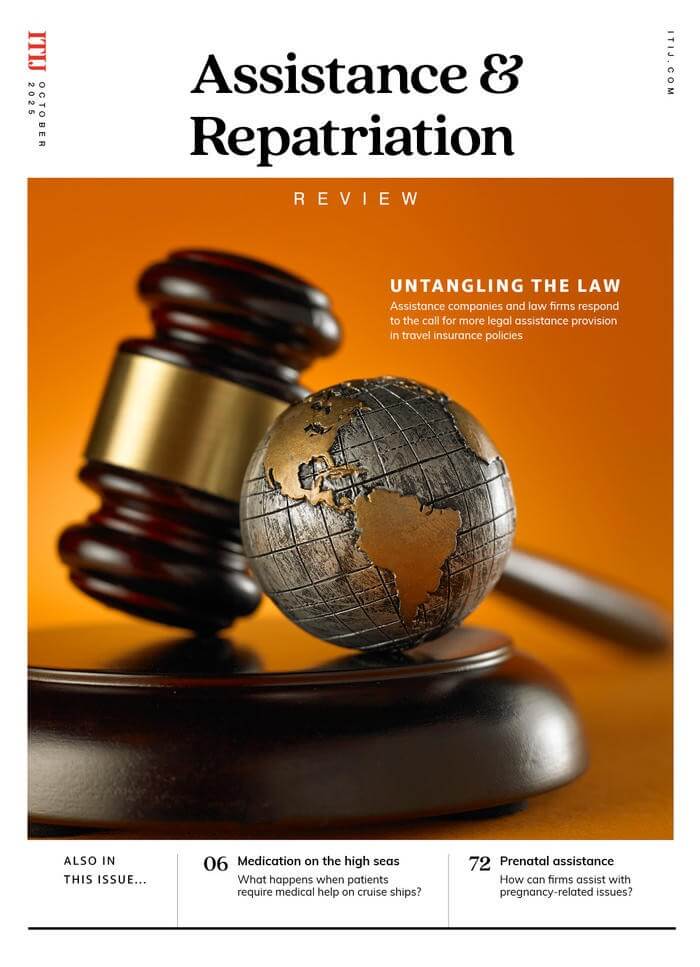
In this latest Assistance & Repatriation Review we explore how legal networks and insurers can help travellers who fall foul of the law while abroad. We look into the intricacies surrounding how medical transfers can be provided to pre-natal and neonatal patients, and examine the provision of medical care to patients who become ill on cruise ships.
Editorial Team
The Editorial Team updates the ITIJ website daily, and works on features for the print edition. With expert industry knowledge and years of experience in writing about complex travel insurance issues, the Editorial Team is ready to investigate and report on the topics that matter most to ITIJ's readers.